
Manual vs. Automatic Cat Feeders Compared: The Full Difference and Which Is Right for Your Cat (2026)
Discover the difference between manual and automatic cat feeders, the problems with plastic bowls, how to clean and disinfect feeding equipment, and the key tips to keep your cat healthy.
Introduction
If you have a cat at home, you've probably struggled with keeping its feeding on track. Sometimes you forget mealtimes, sometimes it overeats, and sometimes the food ends up scattered around or makes a mess. These problems can cause digestive upset or health issues, so using a cat feeder helps you protect its health and saves you time and effort.
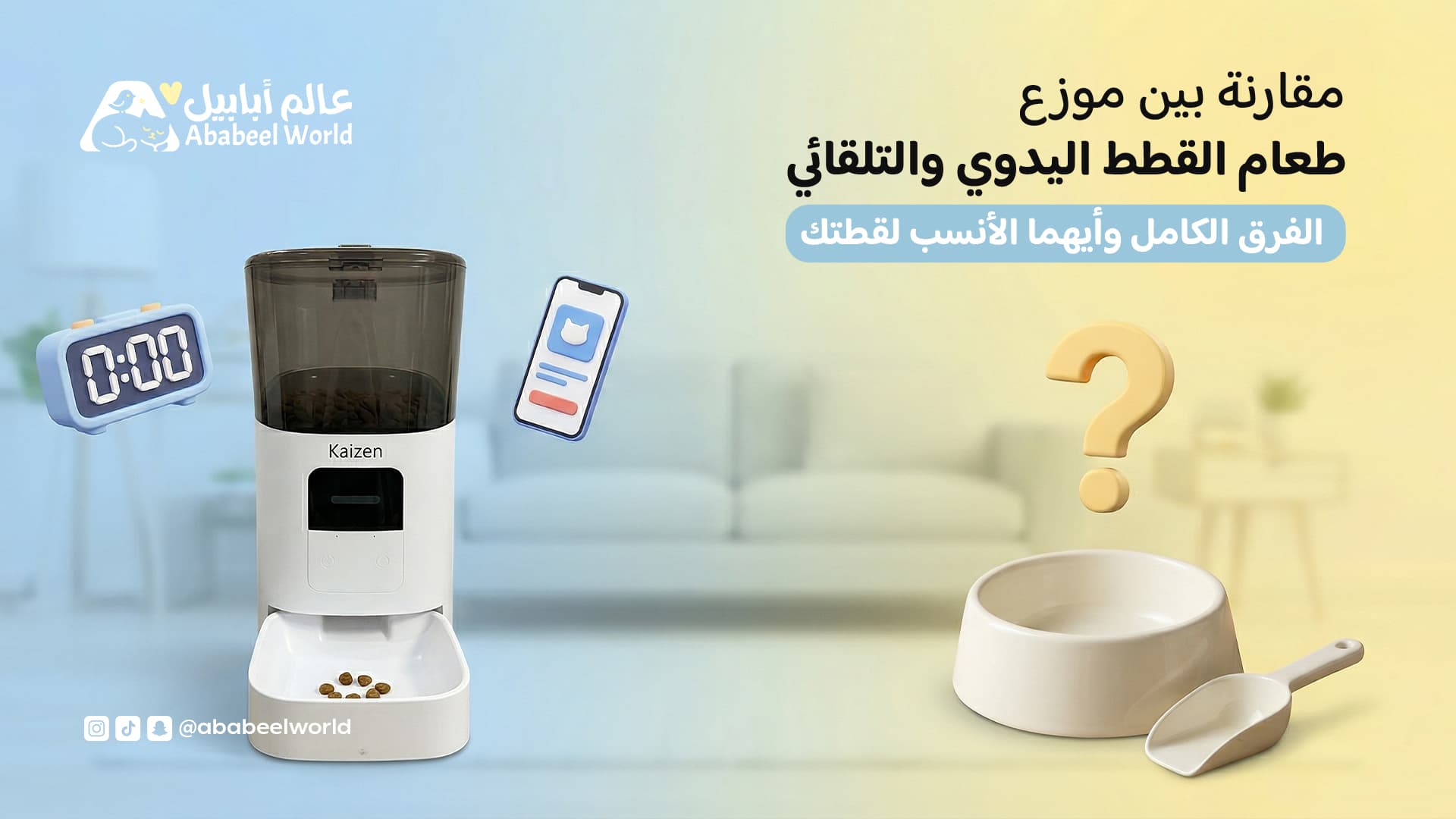
But the important question is: which type should you choose — a manual feeder or an automatic feeder?manual feederautomatic feeder
In this guide, we offer a full comparison between the two types, covering the pros and cons of each, why choosing the right food bowls matters, how to clean and disinfect them, and the health risks from unclean feeding equipment.
What Is a Cat Feeder?
A cat feeder is a device or tool that helps serve food to cats in an organized way. Its benefits include:
- Organizing mealtimes
- Controlling the amount of food served
- Keeping the feeding area clean
- Preventing overeating and helping the cat maintain a healthy weight
There are two main types:
- Manual feeder
- Automatic feeder
The Manual Cat Feeder
A manual feeder relies on gravity to release food into the cat's bowl, with no electricity or programming involved, so the food gradually drops down based on how much is stored in the hopper.manual feeder
Advantages
- Easy to use and needs no electricity
- Affordable and suits any budget
- No technical failures
- Suits calm cats or short trips
Drawbacks
- Can't control the amount of food precisely
- Doesn't organize mealtimes
- Can lead to obesity in cats that overeat
- Food can spoil if left out too long
Who is it right for?
- Cats that are calm eaters
- Owners on a limited budget
- Anyone who wants a simple, quick solution
The Automatic Cat Feeder
An automatic cat feeder is a smart device that serves food automatically according to a schedule you set, with the ability to adjust:automatic cat feeder
- The number of meals
- The amount per meal
- Some devices can be controlled through a phone app
Advantages
- Precise scheduling of mealtimes
- Full control over the amount of food
- Suits busy people or frequent travelers
- Protects the cat's health and prevents obesity
- Some devices support voice recording and notifications
Drawbacks
- More expensive than a manual feeder
- Needs electricity or batteries
- Needs initial setup
Who is it right for?
- Owners with a busy schedule or long trips
- Cats that eat greedily
- Cats that need a specific diet plan
A Quick Comparison Between the Manual and Automatic Cat Feeder
Manual
Control over amount: weak
Control over schedule: none
Automatic/smart
Control over amount: excellent
- Control over schedule: excellent
Problems With Using Plastic Bowls for Cats
Using cheap plastic bowls may be convenient, but it comes with serious problems that affect a cat's health:
Bacteria buildup
Plastic is porous, holds onto odors, and over time bacteria and fungi build up on it, even after a quick wash — and this can cause health problems for the cat.
Plastic scratches
Plastic bowls get scratched by the cat's claws while eating, and these scratches become breeding grounds for bacteria, increasing the risk of poisoning or digestive upset.
Chemicals
Some cheap plastic contains harmful substances such as BPA, which can leach into the food and affect the cat's health over the long term.
Odors
Plastic absorbs odors quickly, especially with wet food or fish, which can make a cat refuse to eat or feel uncomfortable while eating.
How to Properly Clean and Disinfect Cat Bowls
Cleaning steps
- Remove food residue immediately after every meal
- Wash the bowl with hot water and a mild soap
- Use a brush to reach every corner and scratch
- Rinse thoroughly to remove any soap residue
Disinfecting steps
- Boil plastic or ceramic bowls for 5 minutes once a week
- Or use a pet-safe disinfectant solution, following the instructions
- Let the bowls dry completely before refilling them with food
Additional tips
- Replace old plastic bowls if a lot of scratches appear
- Use stainless steel or ceramic bowls, since they're less prone to bacteria buildup
- Assign a separate bowl to each cat if you have more than one
Health Problems From Unclean Feeding Equipment
Leaving bowls dirty or food out for too long can lead to many problems in cats, including:
Digestive problems
- Diarrhea
- Vomiting
- Chronic digestive upset
Food poisoning
Bacteria and fungi on the bowls or in old food can cause poisoning, requiring prompt treatment at the vet.
Gum and mouth disease
Bacteria buildup on plastic bowls affects the mouth and leads to dental and gum problems.
Skin and coat problems
Bacteria and fungi transfer from contaminated food to the coat and cause itching or skin irritation.
Increased sensitivity
A cat becomes more sensitive to food if it's unclean or the bowls are old and scratched.
Tips to Keep Your Cat Healthy at Mealtime
- Use stainless steel or ceramic bowls instead of plastic
- Clean the bowls after every meal
- Replace old bowls at least every 6 months
- Store dry food in a dry place, away from moisture
- For cats that eat wet food, use small bowls to reduce mess
Which Should You Choose for Your Cat?
Based on your cat
- If your cat is a calm eater, a manual feeder is enough.
- If your cat eats greedily, an automatic feeder is better.
- If your cat needs a specific diet plan, an automatic feeder is essential.
Based on your lifestyle
- If you're busy all day, an automatic feeder is the best fit.
- If you're home most of the time, a manual feeder is enough.
- If you travel often, an automatic feeder is the better option.
Common Mistakes When Choosing a Feeder or Bowls
- Choosing a size that doesn't match the number of days or food quantity needed
- Ignoring the cat's behavior and eating habits
- Buying a low-quality product
- Not cleaning and disinfecting the bowls regularly
Frequently Asked Questions
Is a cat feeder safe?
Yes, as long as it's good quality and cleaned regularly.
How many meals does a cat need per day?
Usually between 2 and 4 meals, depending on age and health status.
Does it help prevent mess?
To a large extent, especially when paired with stainless steel or ceramic bowls.
Does an automatic feeder make a cat dependent on it?
No, but it does organize its eating habits and prevents overeating.
Are plastic bowls harmful?
Yes, if they're old, scratched, or poor quality. It's best to use stainless steel or ceramic.
Conclusion
- A manual feeder suits calm cats and owners on a limited budget
- An automatic feeder is better for convenience, organization, and controlling food amounts
- Avoid old, scratched plastic bowls and use ceramic or stainless steel instead
- Keep the bowls clean and disinfected regularly to avoid health problems
You may also enjoy
Cat Skin Diseases: Causes, Symptoms, and Care
Learn about the most common cat skin diseases, the causes of itching and hair loss, warning signs, and daily steps to care for your cat's skin health.
Read article
Cat Vaccination Guide in Saudi Arabia: Key Vaccines and the Right Schedule
Learn about the cat vaccination schedule in Saudi Arabia, the most important core cat vaccines, the FVRCP vaccine, the rabies vaccine, the FeLV vaccine, and key tips after vaccination.
Read article
Best Cat Toys 2026 | A Complete Guide to Choosing the Right Toy for Your Cat
Discover the best cat toys, their types and features, and how to choose the right toy based on your cat's age and activity level to keep it healthy and reduce boredom and problem behaviors.
Read article