
The Complete Guide to Keeping an Indoor Cat in Saudi Arabia: Everything You Need for Your Cat's Comfort and Your Home's Peace
A comprehensive guide to keeping an indoor cat in Saudi Arabia: healthy food, the right litter box, play and mental stimulation. Everything you need for your cat's comfort and your home's peace.
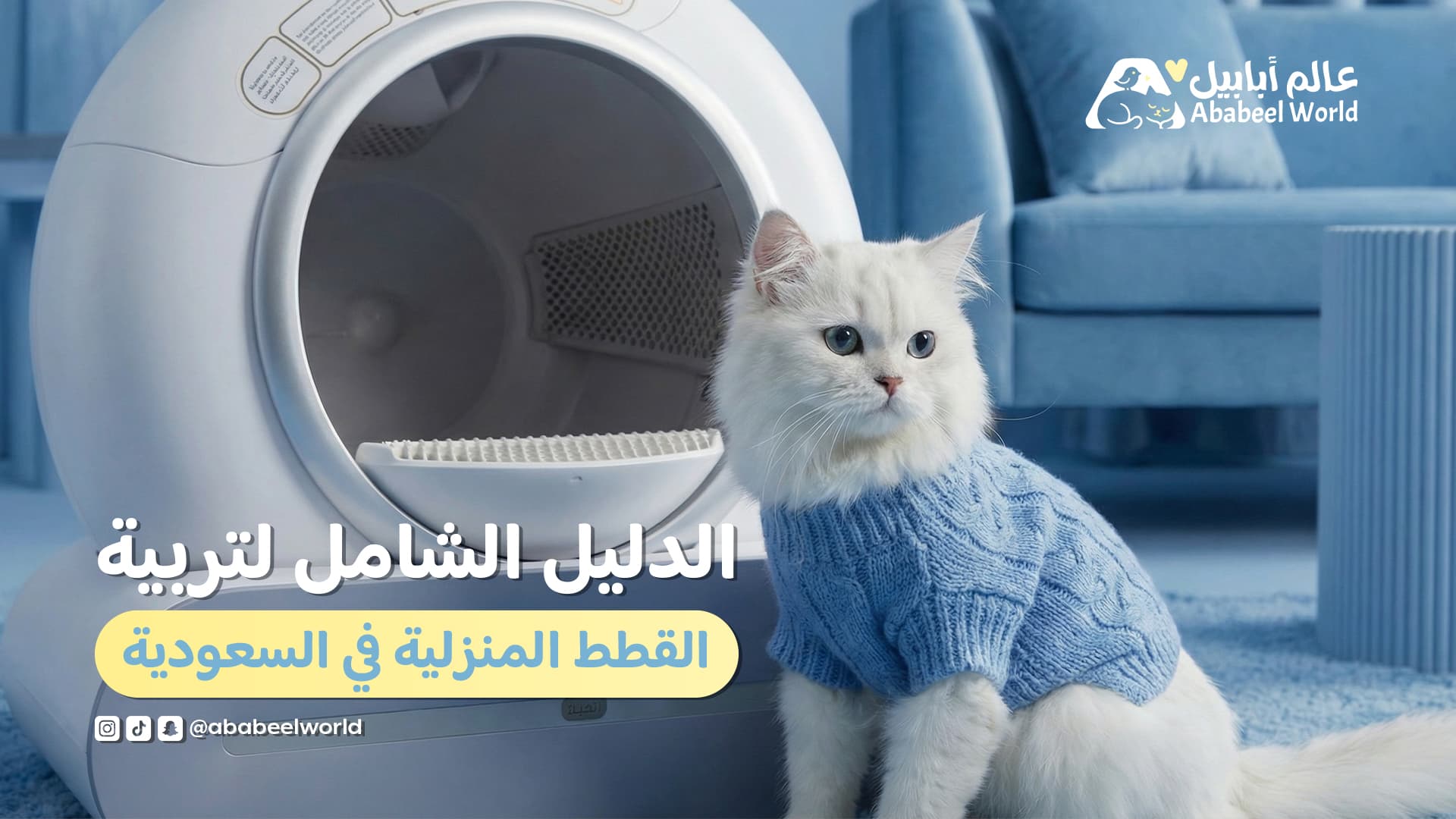
Why Does Keeping an Indoor Cat Matter?
Keeping a cat at home isn't just a nice hobby — it's a daily responsibility that requires patience and understanding of a cat's nature. A happy cat doesn't just bring joy — it also shapes the mood of the home and the comfort of the family. Caring for it includes: choosing the right nutrition, the right supplies, and understanding its daily behavior.
Small oversights can cause behavioral and health problems down the line. That's why, before bringing a cat home, you should be prepared and ready, with a clear plan for every day from the moment it arrives.
Before Getting a Cat: Prepare Well — The Basics of Cat Ownership
Regular time and attention
Cats need daily time for play, mental stimulation, and simple attention — even just 10 minutes a day. This keeps its mood and health in good shape.
A safe, calm environment
Cats love quiet, safe spaces away from noise and crowding. A calm home makes it comfortable and helps it settle in quickly.
Tools suited to the cat's age
Choosing tools based on the cat's age matters a great deal. For example:
- Healthy, easy-to-clean food bowls
- A comfortable bed
- A litter box of the right size
These things reduce problems later and keep the cat comfortable from day one.
Preparing the Home for a New Cat
A sleeping spot
A cat likes to know where it sleeps. A comfortable bed gives it a sense of safety and reduces its stress.
Food and water bowls
It's best to choose bowls that are easy to clean and don't let bacteria build up, so your cat's health stays excellent.
The litter box
Choosing a box sized right for the cat, with odor-absorbing litter, in a quiet spot, reduces problems with urinating outside the box and keeps the home clean.
Choosing Cat Supplies Wisely
Quality matters more than quantity
You don't need to buy everything available on the market. Focus on:
- Safe, easy-to-clean materials
- Practical tools that last a long time
- A design that suits both you and your cat
For example: healthy food bowls prevent bacteria buildup and help keep a cat's appetite up, which reflects on its overall health.healthy food bowls
Play and stimulation tools
- Sturdy scratching posts sized right for the cat
- Mental toys that stimulate its mind
- Balls and movement toys around the home
Play keeps a cat active and reduces random scratching behavior.
Proper Cat Nutrition: The Foundation of Health and Activity
High-quality protein
Protein is a cat's main source of energy. Cats' needs differ by age:
- Kittens: energy-rich food to support growth
- Adult cats: a balanced diet to maintain activity and health
- Senior cats: easily digestible food that supports the joints
A balance between dry and wet food
The right mix reduces digestive problems, hair loss, and lethargy.
Meals by age
Kittens need more, smaller meals, while senior cats need fewer meals, with weight monitored closely.
Balanced Nutrition: Important Numbers to Know
- Cats need roughly 30–40% protein in dry food
- Taurine is essential for heart and eye health
- Taurine deficiency can cause serious problems
⚠️ Avoid giving your cat:
- Onion
- Garlic
- Chocolate
- Cooked bones
These foods are dangerous even in small amounts.
The Litter Box: The Secret to Comfort and Cleanliness
The importance of choosing the right litter box
The wrong box causes a lot of problems:
- Urinating outside the box
- Unpleasant odors
- Stress in the cat
Standards for the ideal litter box
- The right size for the cat
- Litter that absorbs odors and is easy to clean
- A fixed, quiet spot
A cleaning routine
It's best to clean the litter box daily, with the litter replaced periodically, since neglecting this is one of the most common reasons a cat urinates outside the box. The cleaner the box, the more comfortable the cat, and the fewer unpleasant odors in the home.the litter box
And if your days are usually busy or your shift is long, you might consider using a self-cleaning litter box. This type saves you the daily hassle of cleaning and keeps the box consistently clean, which makes life easier for you and your cat at the same time. It's especially practical if you have more than one cat, saving you time and effort.a self-cleaning litter box.
Daily Hygiene: A Simple, Effective Routine
Coat care
The right brush reduces shedding and keeps the coat shiny and healthy. It's best done daily or based on how long the cat's fur is.a brush
Nail trimming
Safe nail clippers reduce furniture scratching and injuries. It's best to do this roughly every two weeks.safe nail clippers
Bathing
Most cats groom themselves, but bathing every so often helps keep them clean, especially long-haired cats.
Understanding Cat Behavior: Don't Overthink It
Normal behaviors
- Scratching
- Hiding
- Sudden bursts of play
Practical solutions
- Scratching posts to release energy
- Stimulating toys
- Safe space to move around
This way, the cat releases its energy without damaging the home's furniture or causing behavioral problems.
Play and Mental Stimulation: A Happy Cat = a Calm Home
Benefits of daily play
- Reduces stress
- Prevents obesity
- Strengthens the bond between you and your cat
Suitable toys
- A small ball or light toys
- Mental toys that challenge the mind
- Movement toys around the home
- 10–15 minutes of play a day is enough to keep it active and happy.
Cat Health: Prevention Is Better Than Cure
Ongoing monitoring
- Vaccinations
- Weight
- Any change in eating or activity
The first line of defense
A clean environment, healthy food, and suitable supplies = protecting the cat from common illnesses.
Cats by age: different needs
Kittens
- Energy-rich food for growth
- Warmth and comfort
- Tools sized right for them
Senior cats
- Sleeping spots that are comfortable for the joints
- Tools that support movement
- A quieter home
Choosing supplies suited to the cat's age improves its quality of life and reduces health problems.supplies
Traveling and leaving your cat at home
Preparing for your absence
- Enough food and water
- Toys to keep it occupied
- A fixed sleeping spot
A consistent routine
Helps the cat feel safe even if you're away for a long time.
Organizing Mealtimes Easily
Some cats get used to a very fixed mealtime routine, and even a small delay can cause stress or persistent nagging. That's why keeping regular mealtimes helps stabilize a cat's behavior and improve its digestion.
And if you spend a lot of time away from home or have a busy schedule, you can rely on tools that help you organize meals more precisely, such as using an automatic feeder that dispenses the right amount at a set time. This way, you make sure your cat eats regularly even when you're not around, and you maintain a balanced diet without over- or under-feeding.an automatic feeder
Common Mistakes to Avoid When Keeping an Indoor Cat
A lot of cat problems aren't caused by the cat's behavior… but by simple mistakes an owner makes without realizing it.
Changing food suddenly
Suddenly switching a cat's food can cause:
- Diarrhea
- Vomiting
- Refusal to eat
It's best to make the switch gradually over 5–7 days.
Constantly moving the litter box
Cats love routine. Suddenly changing where the litter box is can make the cat:
- Get stressed
- Refuse to use it
- Urinate outside the box
Skipping daily play
Not letting a cat release its energy leads to:
- Random scratching
- Disruptive nighttime activity
- Stress and aggression
Play isn't a luxury… it's a behavioral necessity.
Some symptoms shouldn't be waited out:
- Refusing to eat for more than 24 hours
- Repeated vomiting
- Unusual lethargy
- Difficulty urinating
Early intervention saves you from costly treatment later.
Conclusion: Smart Cat Ownership Starts With the Right Choices
Keeping an indoor cat doesn't depend on how much you buy — it depends on:
- Understanding its nature
- Choosing the right supplies
- Providing a clean, safe environment
- A consistent routine
Making the right choices from the start saves you a lot of hassle later on, especially when you focus on quality and practicality instead of buying at random.
A comfortable cat means a calmer home… and an enjoyable experience that lasts for years.
Frequently Asked Questions (FAQ)
1. Is keeping a cat difficult?
No, cats are easy as long as they have the right tools and a consistent routine.
2. How many times a day does a cat eat?
It depends on age — usually twice for senior cats, and more often for kittens.
3. Does play matter?
Definitely — it matters for both mental and physical health.
4. What are the best cat supplies?
A comfortable bed, healthy bowls, a practical litter box, and toys to release energy.
5. How do I keep my cat clean?
Daily brushing, regular nail trimming, and cleaning the litter box every day.
6. Does a cat always need a quiet spot?
Yes, to reduce stress and improve its comfort.
You may also enjoy
Cat Skin Diseases: Causes, Symptoms, and Care
Learn about the most common cat skin diseases, the causes of itching and hair loss, warning signs, and daily steps to care for your cat's skin health.
Read article
Cat Vaccination Guide in Saudi Arabia: Key Vaccines and the Right Schedule
Learn about the cat vaccination schedule in Saudi Arabia, the most important core cat vaccines, the FVRCP vaccine, the rabies vaccine, the FeLV vaccine, and key tips after vaccination.
Read article
Best Cat Toys 2026 | A Complete Guide to Choosing the Right Toy for Your Cat
Discover the best cat toys, their types and features, and how to choose the right toy based on your cat's age and activity level to keep it healthy and reduce boredom and problem behaviors.
Read article