
The Complete Guide to Choosing Bird and Parrot Cages at Home (2026)
Choosing the right cage isn't just about space — it's a key factor in a bird's health and happiness. The ideal cage provides:
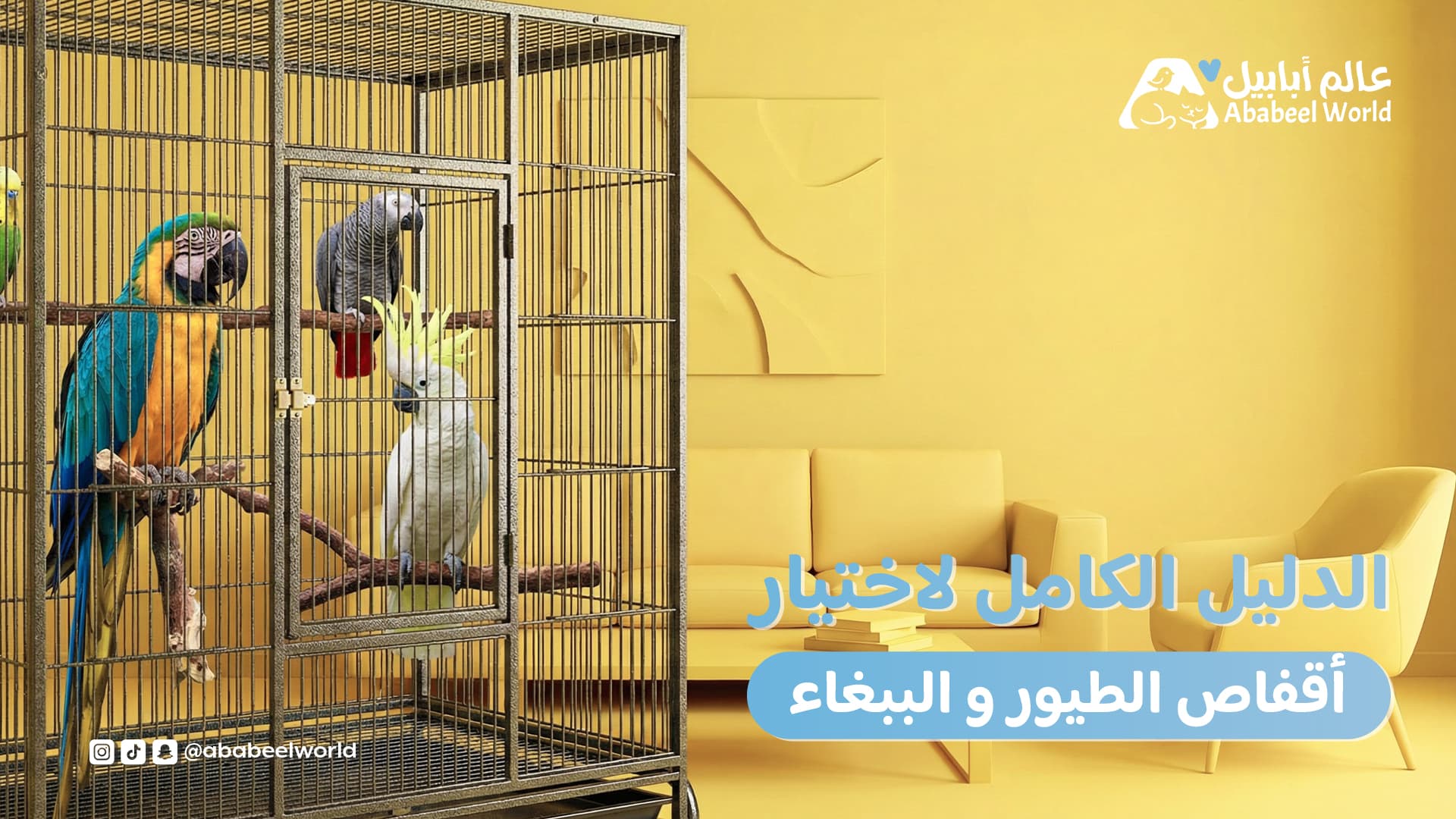
Why Does Choosing the Right Bird Cage Matter?
Choosing the right cage isn't just about space — it's a key factor in a bird's health and happiness. The ideal cage provides:the cage
- Enough room to fly and move around freely
- Spots to rest and relax
- Stimulating toys to release energy
Choosing the right bird cage at home ensures calm, active birds and a comfortable home environment for both you and the bird.
Types of Pet Birds and the Right Cages for Them
1️⃣ Small birds
- Such as: canaries, finches
- Cage size: a small bird cage, with perches to stand on and a small space for flying
- Notes: these birds need light activity and small toys
2️⃣ Medium birds
- Such as: zebra finches, Java sparrows, cockatiels
- Cage size: a medium to large bird cage, with multiple perches and resting platforms
- Notes: they need room for short flights and daily mental stimulation
3️⃣ Small and medium parrots
- Such as: parakeets, small macaws
- Cage size: medium to large depending on activity level
- Notes: climbing toys and puzzle blocks are essential, small mirrors and movement toys can also be added
4️⃣ Large parrots
- Such as: Amazon parrots, large macaws, cockatoos
- Cage size: very spacious, tall large bird cages, with multiple platforms and climbing posts
- Notes: they need very large room for flying and climbing, along with sturdy toys made of wood or rope
Choosing the right size: the golden rule
How to determine the cage size:
- Length × width × height = room to fly freely
- Space for perches, toys, and platforms
- A quiet spot for sleeping and resting
Common Mistakes:
- A cramped bird cage → stress and boredom
- A bird cage with no toys → aggressive behavior
Bird Cage Materials: Safety First
- Non-toxic coated iron: rust-resistant and easy to clean
- Moisture-resistant wood: gives a natural feel but needs care
- Safe plastic for bowls: for food and water
Setting up the inside of the cage (the best way to set up bird cages
and how to make the cage fun for your birds)
Resting spots and perches
- Perches to stand on at different heights
- Resting platforms
Stimulating toys
- Balls and parrot toys
- Puzzle toys to challenge the bird
- Climbing posts
Food and water bowls
- Made from safe, easy-to-clean materials
- Spill-resistant
Daily Cleaning and Routine
- Removing droppings daily
- Changing the paper or litter used
- Weekly disinfection with safe products
- A self-cleaning litter tray for large birds
A Daily Routine for Birds Inside a Bird Cage:
- Morning: serving fresh food and a quick clean
- Midday: toys and mental stimulation
- Evening: fresh water and a quiet spot for sleeping
Feeding Alongside the Bird Cage
- Types of food: seeds, fruit, vegetables, dietary supplements
- Healthy nutrition = active, healthy birds
- Gradual food changes to avoid digestive upset
Common Bird Cage Problems and Solutions
Problem: hard to clean
- Solution: use safe, easy-to-use tools
Problem: the bird gets edgy
- Solution: provide more space or extra toys
Problem: the bird presses against the bars
- Solution: it may need a more spacious cage
Tips From Bird and Parrot Keeping Experts
- Change food gradually
- Adjust the cage's placement based on activity
- Avoid sharp materials inside the cage
- Place the bird cage in a quiet spot away from noise
- Provide varied toys daily to stimulate the mind
Frequently Asked Questions (FAQ)
Is a bigger cage better for a small bird?
Yes, more space means better flight and more stimulation.
How often should I clean bird cages?
A light daily clean with a weekly disinfection.
Can I install toys inside the cage?
Definitely — toys matter for the bird's health.
What's the difference between iron and wooden bird cages?
Iron is easier to clean and more durable; wood gives a warmer feel but needs more care.
What type of cage suits a large parrot?
A spacious, tall cage with multiple platforms and climbing posts, plus sturdy wooden toys.
Conclusion
Choosing the right cage means healthy, happy birds and a calm home for you and the bird alike. The right size, safe materials, regular cleaning, and stimulating toys all ensure a balanced life for birds and parrots at home.
You may also enjoy
Parrot Body Language: How to Understand What Your Bird Is Telling You (2026)
Learn to read your parrot's body language: eye pinning, feather fluffing, tail movements, and what biting really means — with a practical summary that helps you understand your bird in the moment and avoid getting bitten.
Read article
Raising the Indian Ringneck: The Complete Beginner's Guide (2026)
The complete guide to raising an Indian ringneck: the right cage size, the daily food pyramid, toxic foods, illness signs, and teaching it to talk step by step.
Read article
Weaning Bird Chicks: An Age Guide by Species (2026)
A complete step-by-step guide to weaning bird chicks: weaning ages for every species from budgies to African greys, readiness signs, and mistakes that threaten a chick's health. Read before you start.
Read article