
Raising the Indian Ringneck: The Complete Beginner's Guide (2026)
The complete guide to raising an Indian ringneck: the right cage size, the daily food pyramid, toxic foods, illness signs, and teaching it to talk step by step.
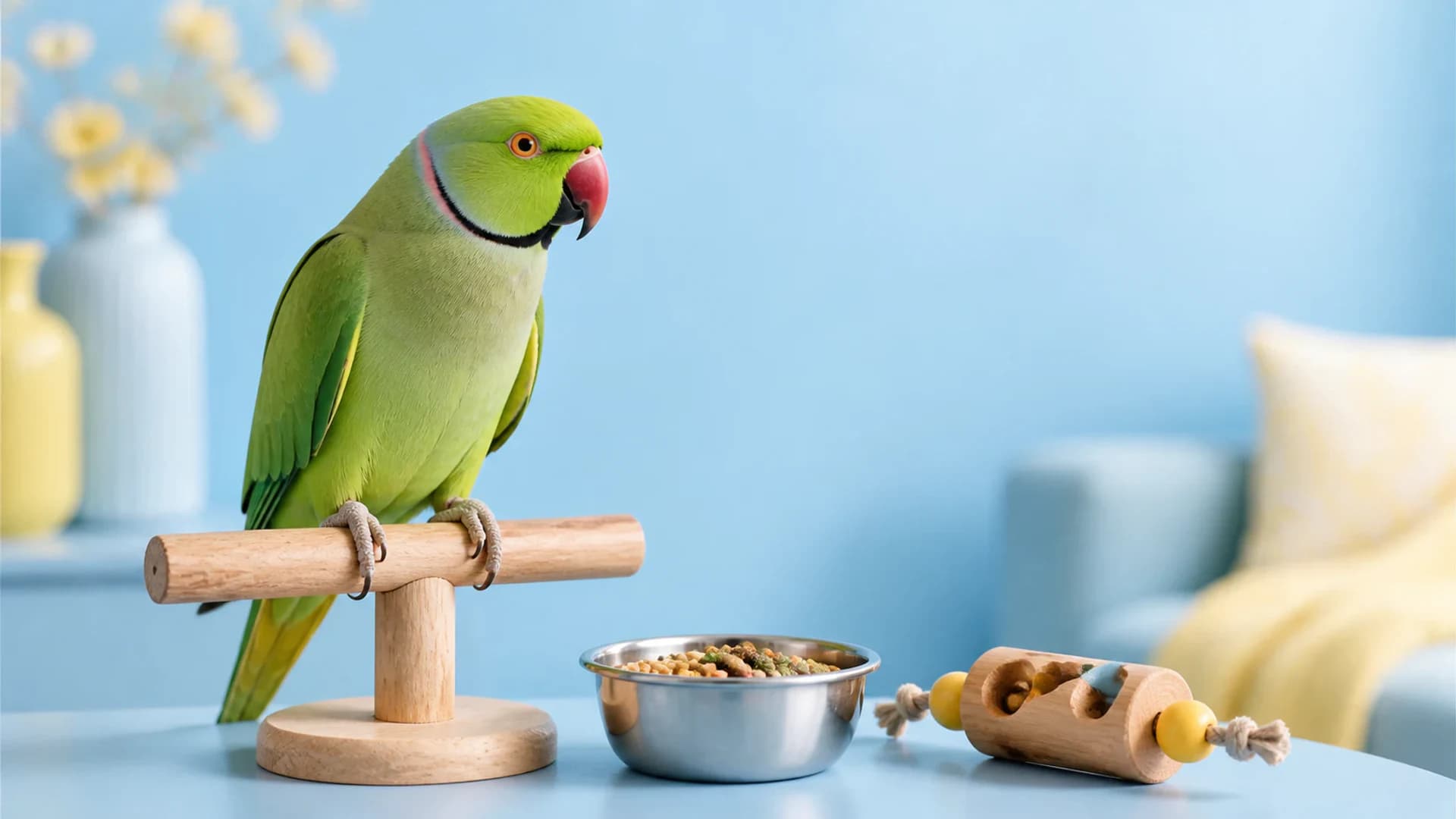
Raising an Indian ringneck (rose-ringed parakeet — Psittacula krameri) isn't just about buying a cage and a bag of seed; it's a commitment that can span more than 30 years with a highly intelligent bird that has a loud voice and a strong memory. The good news is that most ringneck problems — plucking, biting, screaming, poor feather condition — trace back to one recurring cause: cramped housing + unbalanced diet + boredom. In this guide you'll find the complete solution: the right cage size, the daily food pyramid, toxic foods, environmental enrichment, early illness signs, and how to handle Gulf heat.
Quick fact sheet
Scientific name: Psittacula krameri
Length: 37–43 cm (the tail makes up roughly half the length)
Weight: 116–140 g
Average lifespan: 25–30 years, and can be longer with good care
Talking ability: Excellent, males tend to learn faster
Sexing: The male's neck ring doesn't appear until 1.5–3 years of age; before that, the only certain method is DNA testing from a feather or blood drop
1. The Right Cage: The First Step in Raising an Indian Ringneck
A cramped cage is the number-one cause of behavioral and health problems. The ringneck is an active bird that needs horizontal space for short flights, not just space to stand.
Cage specifications (for one bird)
- Width: 80 cm minimum — ideal: 120 cm
- Depth: 50 cm minimum — ideal: 60 cm
- Height: 100 cm minimum — ideal: 150 cm
- Bar spacing: 1.5–2 cm — to prevent the head from getting stuck between bars
- Shape: always rectangular — round cages cause psychological stress since they have no safe corners
- Material: safe powder coating — completely free of zinc and lead, metals that are lethal to parrots
Where to place the cage… and where never to
The ringneck is a social bird that likes being part of the family, so place it in the living room with one side of the cage against a wall (this gives it a sense of security).
Strictly forbidden:
- The kitchen: Teflon (PTFE) fumes from heating non-stick pans are lethal within minutes — they cause acute pulmonary edema.
- Windows exposed to direct, scorching sunlight or a cold draft.
- Completely isolated spots (they cause depression) or very noisy ones.
Essential fittings inside the cage
- Perches of varying diameters made from natural branches (apple, guava, willow) — a single uniform plastic perch causes foot sores (bumblefoot).
- Three bowls: seed, vegetables, water — stainless steel or ceramic is preferable for easy cleaning.
- A cuttlebone (sepia) permanently fixed in place for calcium and beak trimming.
- Unpainted wooden chew toys, with short, sturdy cotton ropes.
Set up your ringneck's cage right the first time
Natural perches, a cuttlebone, and stainless bowls. Everything the cage needs in one place at Ababeel World.
2. Feeding the Indian Ringneck: The Daily Food Pyramid
Relying on a "seed mix" alone is the most common mistake in raising Indian ringnecks, and it leads directly to vitamin A deficiency, obesity, and fatty liver disease. The correct daily meal should be distributed as follows:
- Fresh vegetables — 40 to 50% — arugula, spinach, grated carrot, colorful bell pepper, broccoli, zucchini, romaine lettuce
- Pellets (balanced pellets) — 30 to 40% — the ideal replacement for fatty seeds, and covers vitamin needs
- Fresh fruit — 10% or less — seedless apple, pomegranate, berries, papaya — in limited amounts due to sugar content
- Protein — two to three times a week — mashed boiled egg with the shell, or boiled legumes (lentils, chickpeas)
If you're using seeds, make it a mix of millet, safflower, and hulled oats, cutting back on sunflower seeds since they're the highest in fat. Change the drinking water twice a day in summer and at least once a day in winter.
Toxic foods — strictly forbidden
- Avocado: The compound persin causes cardiac arrest and respiratory failure.
- Chocolate and caffeine: Neurological and cardiac toxins.
- Onion and garlic: Cause red blood cell breakdown (hemolysis).
- Apple, cherry, and apricot seeds/pits: Contain cyanide compounds.
- Salty and fried foods: Cause kidney failure and electrolyte imbalance
A balanced diet = glossy feathers and an active bird
High-quality pellets plus a calcium and vitamin supplement for parrots, especially for birds that have relied on seeds.
3. Environmental Enrichment: The Secret to a Calm Bird That Doesn't Pluck
The Indian ringneck is one of the most intelligent parrots, and in the wild it spends about 70% of its day foraging, flying, and socializing. If you simply put food in a bowl in front of it and leave it with nothing else to do, that intelligence turns into destructive behavior: feather plucking, screaming, aggression. Environmental enrichment isn't a luxury — it's a core part of care.
Effective types of enrichment
- Foraging enrichment: Wrap seeds in kraft paper, place them inside wooden toys that need to be taken apart, or scatter them among clean building blocks for the bird to search for.
- Physical enrichment: An hour of free flight daily inside a safe room (fans off, windows covered with curtains or decals, electrical wires hidden away).
- Social and training enrichment: Positive-reinforcement (clicker) training with a small reward such as a sunflower seed — it stimulates the brain and prevents boredom.
Suggested weekly enrichment schedule
- Saturday: Move the perches around + introduce a new chew toy
- Sunday: Hide the meal inside a paper wrap (foraging)
- Monday: A 10-minute training session on "come" or "step up"
- Tuesday: A bathing dish + a fresh branch with leaves
- Wednesday: An hour of free flight in a safe room
- Thursday: A puzzle toy or a new food (cucumber, for example) to get it used to different tastes
- Friday: A quiet day — open cage, calm music, vocal interaction
4. Health: Read Your Bird Before It's Too Late
Birds instinctively hide illness until it's quite advanced, which is why a daily visual check (just 30 seconds) is the single most important preventive tool in raising an Indian ringneck.
Warning signs that require an immediate vet visit
- Feathers: Constantly puffed up (a "feather ball" shape) or dull and falling out.
- Eyes: Partially closed, watery, or swollen.
- Breathing: Discharge from the nostrils, frequent sneezing, a wheezing sound while breathing, or tail bobbing with every breath.
- Droppings: Diarrhea, very dark green color, or yellow or green urates (the white part).
- Behavior: Lethargy, sitting on the cage floor, refusing to eat
Most common illnesses in Indian ringnecks
- Chlamydiosis / parrot fever (Chlamydia psittaci) — Symptoms: lethargy, greenish-yellow diarrhea, breathing difficulty, swollen eyes. A zoonotic disease that can spread to humans; treated with a long course of antibiotics (doxycycline) under veterinary supervision.
- Aspergillosis — Symptoms: wheezing while breathing, gradual weight loss. Prevention: good ventilation and strict cage hygiene. Treatment: long-term antifungal medication.
- Psittacine beak and feather disease (PBFD) — Symptoms: deformed, falling feathers, and a deformed beak. There is no cure, and the bird remains a carrier of the virus — it must be fully isolated from other birds.
- Obesity and fatty liver disease — Symptoms: lethargy, shortness of breath with movement. Cause: poor diet (seeds only). Treatment: gradual switch to pellets and vegetables, plus encouraging flight.
Home first-aid kit
- A digital gram scale — losing 10% of body weight is a danger sign.
- Sterile saline solution for cleaning minor wounds.
- Styptic powder for a bleeding blood feather or nail.
- Small nail clippers + a ceramic heat lamp (30–32°C for a sick bird).
- The number of the nearest avian emergency clinic saved in your phone.
5. Raising an Indian Ringneck in a Hot Climate (Saudi Arabia and the Gulf)
In summers where temperatures exceed 45°C, ringnecks are at risk of lethal heat stress. Cooling strategies:
- An air-conditioned room at 24–26°C, without placing the cage directly in the AC's airflow.
- Misting the bird with lukewarm water twice a day (dawn and dusk).
- A cool perch: fresh branches or cool ceramic.
- Fresh, relatively cool drinking water — no ice, since thermal shock harms the stomach.
- Permanent shade: never expose the cage to direct sunlight.
A golden buying tip
Buy from a trusted source and a bird shop known for cleanliness; imported or smuggled birds may carry hidden diseases. Local market prices generally range between SAR 600 and SAR 2,000 depending on age (hand-raised chicks cost more), color (blue and white mutations cost more), and level of training.
6. Taming and Teaching It to Talk
- Week one: Place the cage in a quiet spot and don't try to touch the bird at all. Speak to it only in a low voice.
- Week two: Offer a reward (a sunflower seed) through the cage bars.
- Week three: Open the cage door and let it come out on its own. Don't chase it, and use the reward to teach it to step up onto your hand.
To teach it to talk: the best times are early morning or before bedtime, repeating a single word clearly and enthusiastically (a greeting or the bird's name) in a quiet environment free of distractions. Males tend to learn faster, but females learn too.
7. Breeding: A Primer for the Advanced Keeper
- Age: Don't breed before 3 years old, to ensure the reproductive system has fully matured.
- Season in the Gulf: Winter and spring (November–April), when the weather is mild.
- Nest box: 30×30×50 cm (height), with a 6 cm-diameter entrance hole, lined with soft, unscented wood shavings.
- Eggs: 2 to 6 eggs, laid roughly one every two days. Incubation takes 22–24 days, done by the female while the male feeds her.
- Weaning: Chicks leave the nest after 6–7 weeks, and become fully independent after another 2–3 weeks.
Emergency situation — egg binding: A puffed-up female straining without result, and possibly unable to fly. The cause is usually calcium deficiency, and it requires an immediate vet visit. Prevention: cuttlebone plus a liquid calcium supplement during the breeding season.
Frequently Asked Questions About Raising Indian Ringnecks
Is the Indian ringneck suitable for beginners?
Yes, with conditions: you need to be able to tolerate its loud voice, and commit to at least an hour of daily interaction. It's smarter and more independent than a budgie, and needs patience during the taming phase, but it's very rewarding for anyone who commits.
How long does an Indian ringneck live?
Between 25 and 30 years on average, and can exceed that with a balanced diet and regular veterinary care. So getting one is a long-term decision.
How do I tell a male ringneck apart from a female?
You can't tell them apart visually before maturity; all chicks look alike. The black-and-pink neck ring starts appearing gradually on males after 8 months and is clearly complete around 1.5 years of age. The only certain method before that is DNA testing.
Why does my ringneck scream so much?
Natural screaming happens at dawn and dusk. Constant screaming, on the other hand, is usually a request for attention, boredom, or a cramped cage. The fix: ignore the screaming (don't reward it with attention), reward calm behavior, and increase enrichment and free-flight time.
Is it enough to feed it seeds only?
No. Seeds alone cause vitamin A deficiency, obesity, and fatty liver disease. The right approach: pellets plus fresh vegetables daily, with seeds making up only a small part of the diet.
When does a ringneck start talking?
Usually between 8 and 12 months, though it can take until the second year. Daily repetition of a single word in a clear, enthusiastic voice is the key to success.
Conclusion
Success in raising an Indian ringneck rests on four pillars: spacious, safe housing; a balanced diet that doesn't rely on seeds; daily environmental enrichment that engages its intelligence; and early health monitoring. A ringneck isn't decoration in a cage — it's an intelligent companion that needs your time and love, and in return it will give you 30 years of voice and life in your home.
Also read: The Complete Guide to Feeding Parrots · Why Do Parrots Pluck Their Feathers? Causes and Treatment · Positive-Reinforcement Parrot Training for BeginnersThe Complete Guide to Feeding ParrotsWhy Do Parrots Pluck Their Feathers? Causes and TreatmentPositive-Reinforcement Parrot Training for Beginners
Trusted external sources: World Parrot Trust · Merck Veterinary Manual – Pet BirdsWorld Parrot TrustMerck Veterinary Manual – Pet Birds
Author: Dr. Eyas Mohammed — R&D Department, Ababeel World.
This health content has been reviewed against established veterinary references. This guide is for educational purposes and does not replace consulting an avian veterinarian if any symptom of illness appears.
Last updated: 2026
You may also enjoy
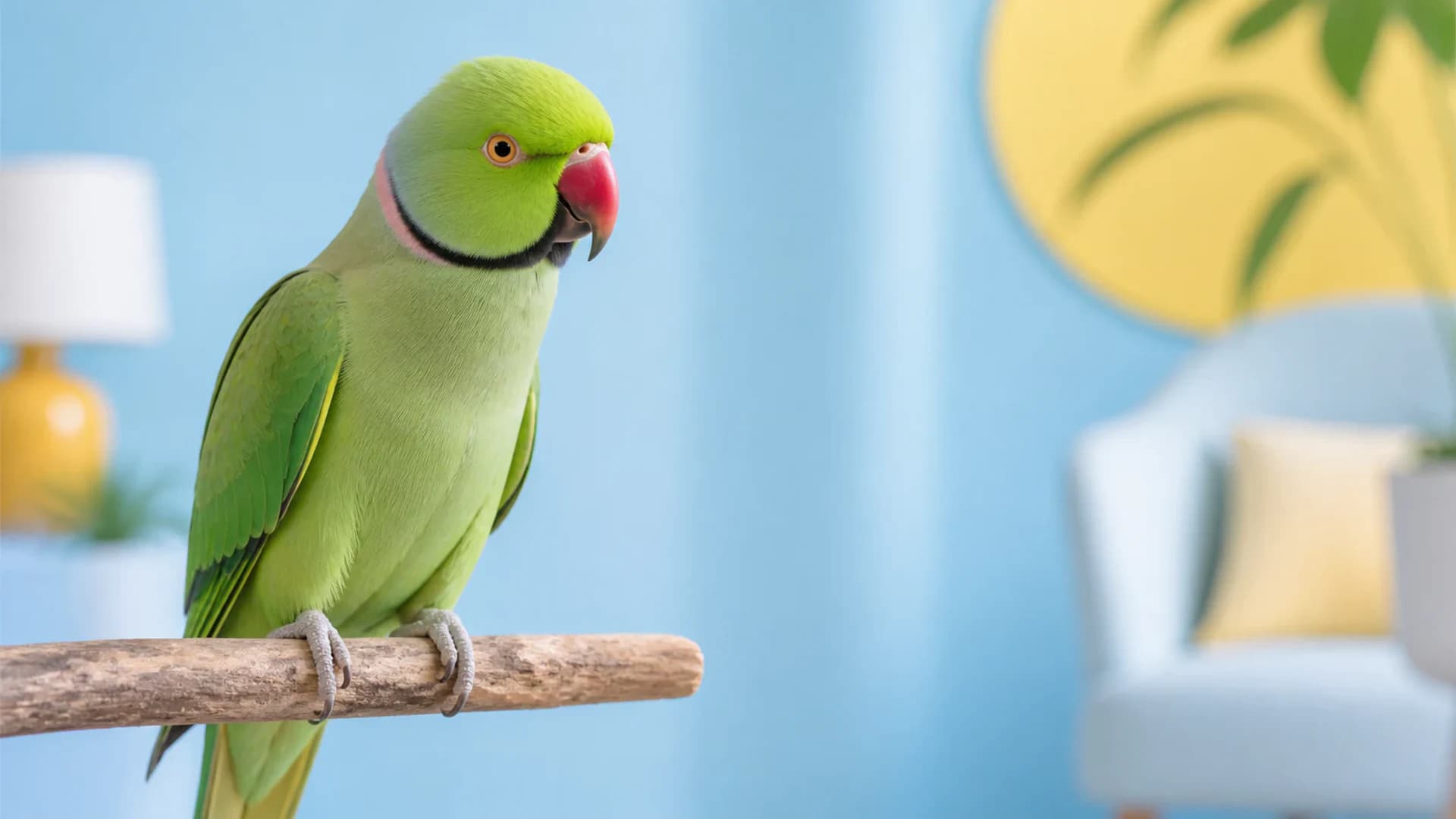
Parrot Body Language: How to Understand What Your Bird Is Telling You (2026)
Learn to read your parrot's body language: eye pinning, feather fluffing, tail movements, and what biting really means — with a practical summary that helps you understand your bird in the moment and avoid getting bitten.
Read article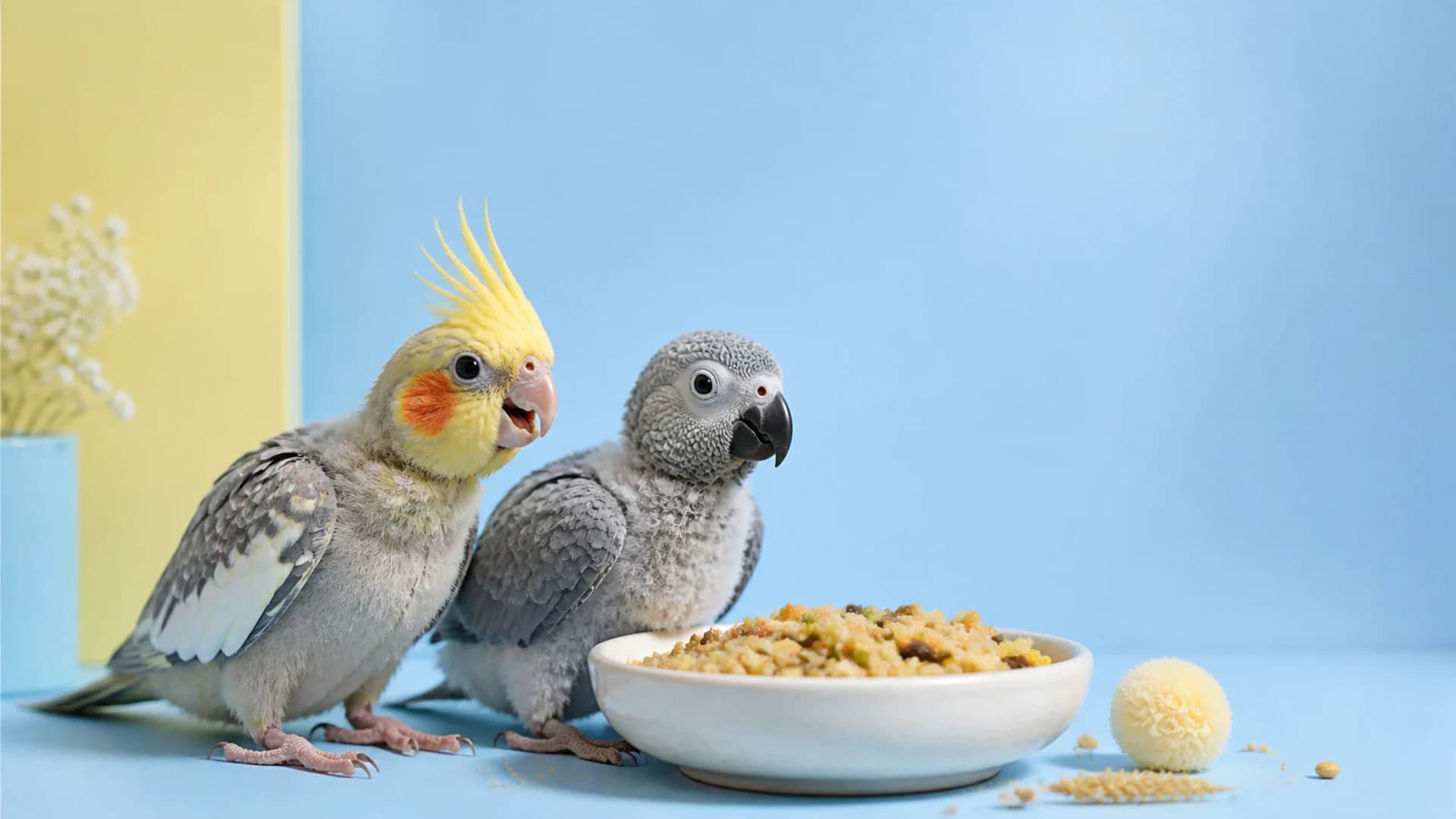
Weaning Bird Chicks: An Age Guide by Species (2026)
A complete step-by-step guide to weaning bird chicks: weaning ages for every species from budgies to African greys, readiness signs, and mistakes that threaten a chick's health. Read before you start.
Read article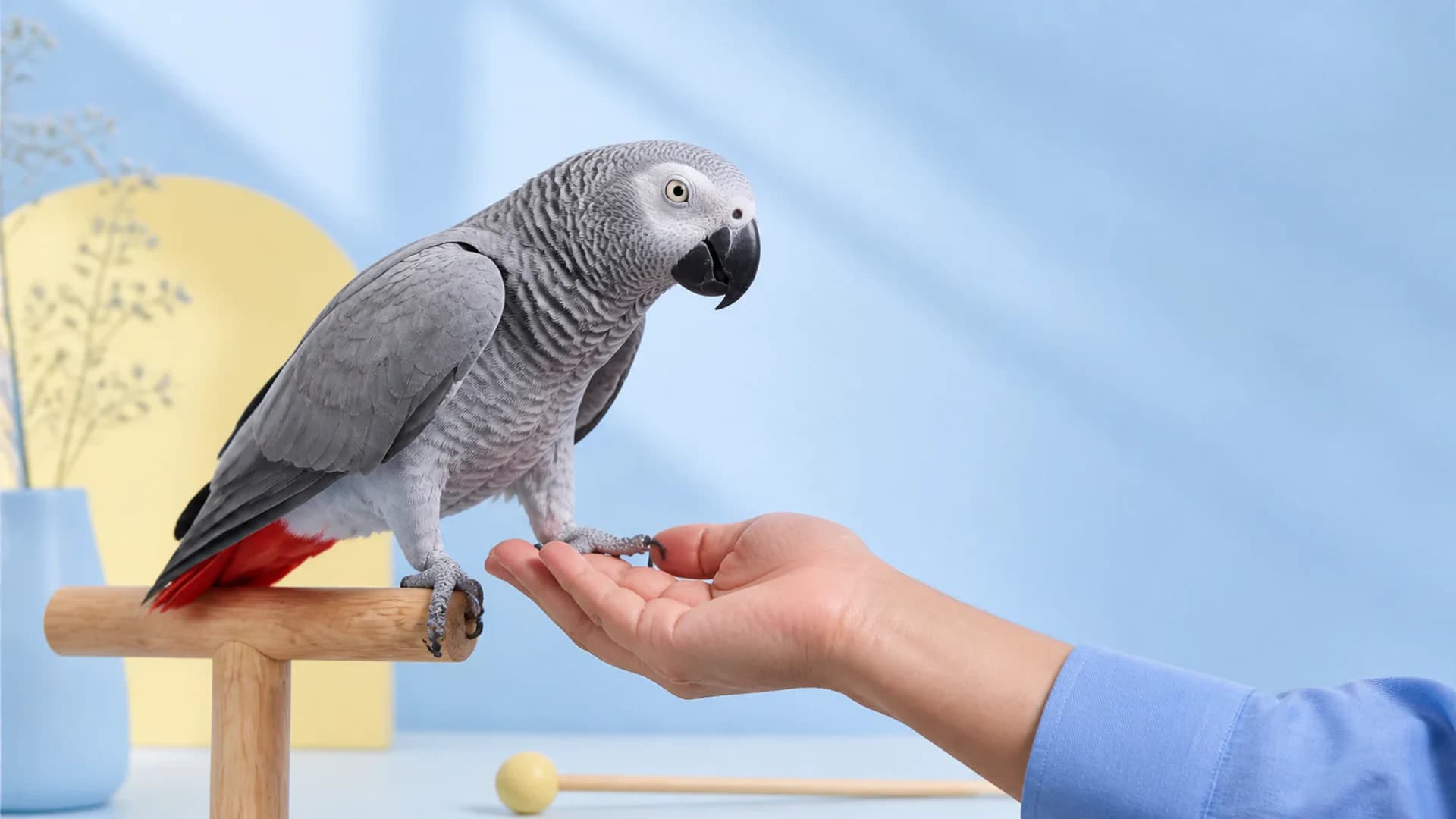
African Grey Parrot Training: A Complete Scientific Guide to Taming and Teaching Speech
Learn to train an African grey parrot using modern, science-based methods built on positive reinforcement: taming, teaching speech, recall, and proper nutrition.
Read article