Parrot Body Language: How to Understand What Your Bird Is Telling You (2026)
Learn to read your parrot's body language: eye pinning, feather fluffing, tail movements, and what biting really means — with a practical summary that helps you understand your bird in the moment and avoid getting bitten.
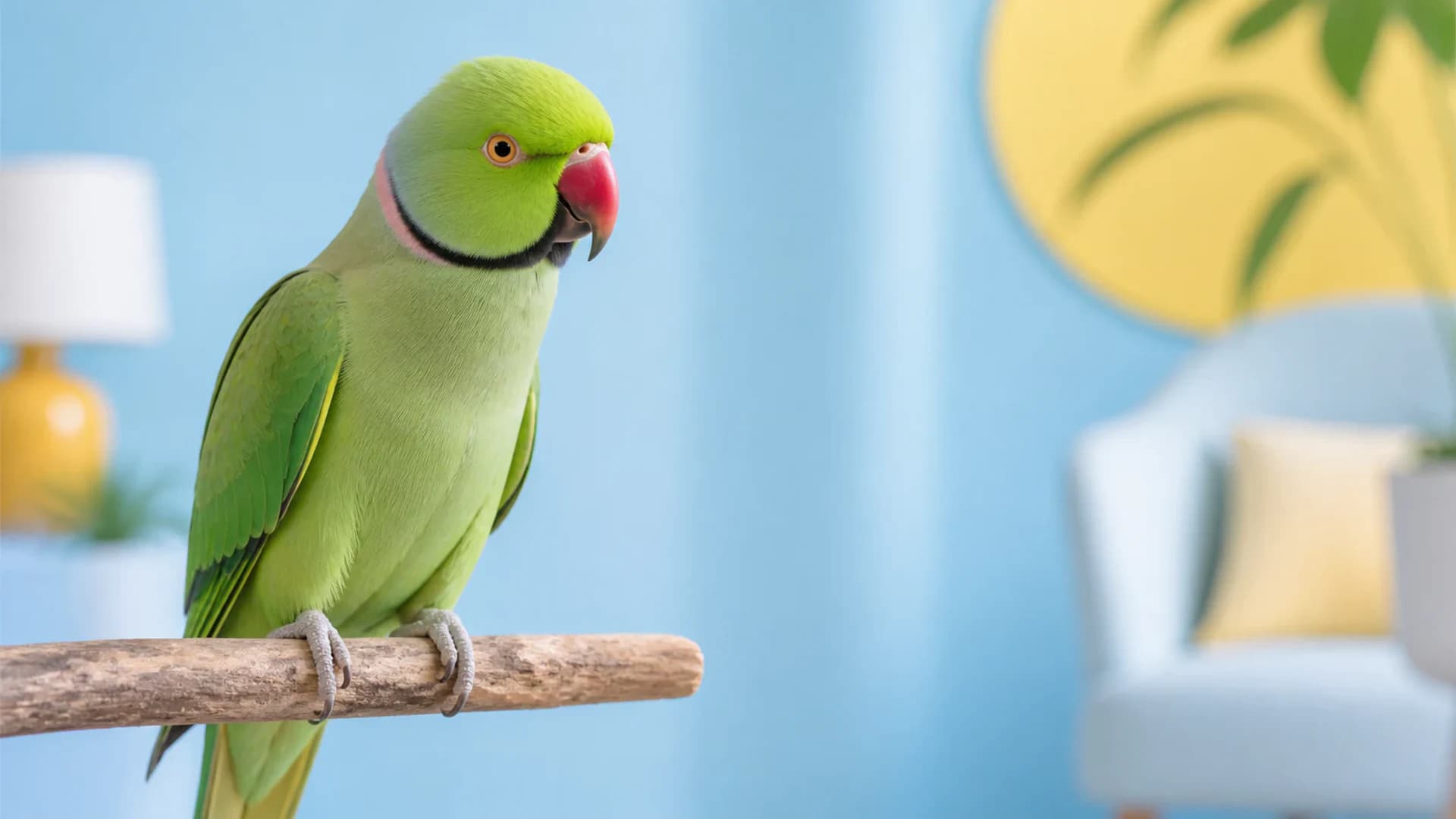
Understanding your parrot's body language is the difference between an owner who's caught off guard by a painful bite and one who reads the warning seconds beforehand and avoids it. Parrots don't have facial expressions like ours, but they're communicating with you constantly — through their eyes, feather posture, tail movement, and sounds. The problem is that most parrot "misbehavior" isn't aggression at all — it's a message we haven't learned to read. In this guide you'll learn to read every signal: eye pinning, feather fluffing, tail movements, and what biting really means, with a practical summary that helps you understand your bird in the moment.
The Golden Rule Before You Start
Never read one signal in isolation. Always ask three questions: What is the bird doing right now? Where? And what happened immediately before it? The same signal can mean positive excitement or a warning, depending on context. The whole body together is the message — not any single part.
1. Eye Language: A Window into Mood (Eye Pinning)
A parrot's eyes are the most precise real-time indicator of its state. Parrots can voluntarily control their pupil size, and this rapid widening and narrowing is called "eye pinning" — one of the most important signals in parrot body language.
- Eye pinning with relaxed feathers — a state of excitement or interest. Can be positive (curiosity about a new toy or food) — read it together with the rest of the body to determine intent.
- Eye pinning with tense feathers and a rigid body — a state of high alert and warning. The bird is tense and ready to defend itself — don't reach your hand toward it now.
- Half-closed eyes with a calm bird — comfort, reassurance, and trust. This is an ideal moment for gentle interaction.
- Closed eyes with light feather fluffing while resting — deep relaxation and drowsiness. The bird feels safe in its surroundings.
2. Body Language and Posture: From Head to Tail
Whole-Body Posture
- Lowering the head and presenting it to you — a request for a head scratch and an invitation to come closer — a sign of high trust and affection.
- A brief, light overall fluff for a few seconds followed by a shake — rearranging feathers and releasing tension, a normal, comfortable behavior.
- Constant fluffing with the body staying puffed into a ball shape — a warning sign! Often a sick bird trying to conserve body heat — watch closely and see a vet if it persists.
- Standing on one foot with light fluffing and drowsiness — complete comfort and safety — the natural resting posture of a healthy bird.
- A rigid body with feathers pulled in as tight as possible — intense fear or high alert — the bird is trying to look smaller. Remove the source of the threat.
Special Behaviors Worth Distinguishing
- Begging — a repeated call with a light wing-quiver — a young chick's behavior when asking to be fed.
- Voluntary regurgitation — repeated up-and-down head bobbing followed by bringing up food. This is an affectionate gesture the bird offers to someone or something it loves (a person, a mirror, or a toy) — don't confuse it with involuntary, illness-related vomiting.
- Allopreening you or a toy — a refined social expression of trust and a desire to bond — one of the strongest signs of acceptance.
Channel biting and chewing energy toward the right outlet
Safe chew toys and enrichment toys reduce stress and aggressive behavior, giving your bird a natural outlet for its energy.
3. Tail Language: A Gauge of the Moment
Tail movement is one of the fastest and most reliable indicators, since it's often involuntary:
- Tail fanning with an upright body — anger, display, or defensive alert. The bird is making itself look bigger to warn you. Give it space.
- A quick, short tail shake — releasing tension or signaling "I'm done with this activity" — usually neutral to positive.
- Tail bobbing up and down with every breath, along with labored breathing — a respiratory danger sign! Clear breathing difficulty — see a veterinarian immediately.
4. Biting: A Closer Look at a Complex Behavior
Biting isn't always aggression. In parrot body language, biting is a form of communication with several possible causes, and understanding the context is what allows you to respond correctly:
- Exploratory beaking — a gentle press of the beak against your fingers or an object — the bird is "tasting" and exploring its world. Completely normal; don't yank your hand away abruptly, or it may turn into a game.
- Balance-testing grip — the bird grips your finger with its beak before stepping up or climbing. This is a stability check, not an attack — don't pull your hand away; help it climb up instead.
- Fear/defensive biting — preceded by the body pulling in, eye pinning, and leaning backward. Remove the source of the threat and don't force the bird — rebuild trust gradually.
- Frustration or overstimulation biting — happens during play or excessive petting, when the bird loses control of itself. Watch for stopping cues as excitement peaks, and end the interaction before it gets there.
- Territorial/hormonal biting — linked to the cage or breeding season and the drive to protect a nest. Reduce hormonal triggers (long lighting hours, nesting spots), and don't put your hand in its "space" during this period.
Never punish a parrot for biting. Yelling, hitting it, or forcing it back into its cage only increases fear and destroys trust. The right approach: read the warning signal before the bite happens, calmly return the bird to its perch, and remove the trigger. Punishment teaches it to bite without warning next time.
Practical Summary for Owners
To read parrot body language correctly, follow three rules:
- Read the whole body, not one signal alone. The eyes alone aren't enough — combine them with the feathers, tail, and body posture.
- Context is key. The same signal means different things in a calm cage, during hormonal season, or during overexcited interaction.
- Consult a veterinarian for any sudden, persistent change in sounds, posture, or appetite — illness-related body language differs from normal communication.
Once you master reading these signals, your relationship with your bird shifts from guesswork to real understanding — and that's the first tool for raising a confident, happy parrot.
Also read: Raising the Indian Ringneck: The Complete Guide · Why Do Parrots Pluck Their Feathers? Causes and Treatment · Positive-Reinforcement Parrot Training for BeginnersRaising the Indian Ringneck: The Complete GuideWhy Do Parrots Pluck Their Feathers? Causes and TreatmentPositive-Reinforcement Parrot Training for Beginners
Trusted external sources: World Parrot Trust · Merck Veterinary Manual – Pet BirdsWorld Parrot TrustMerck Veterinary Manual – Pet Birds
Frequently Asked Questions About Parrot Body Language
What does parrot eye pinning mean?
It's a rapid widening and narrowing of the pupil that signals strong excitement or interest. It can be positive (curiosity) or a warning, depending on the rest of the body language; if it's paired with tense feathers and a rigid body, it's an alert signal — don't reach your hand toward the bird.
Why does my tame parrot bite me?
Biting usually isn't aggression — it's a message: exploration, a balance check before stepping up, fear, overstimulation, or territorial/hormonal defense. Look at what happened right before the bite to identify the cause and address it.
Is feather fluffing a sign of illness?
Not always. Brief, light fluffing is normal (feather rearranging and relaxation). But constant fluffing with the body staying puffed into a ball shape, along with lethargy, is a warning sign that may indicate illness — see a veterinarian.
What does it mean when my parrot regurgitates in front of me?
Voluntary regurgitation with repeated head bobbing is an affectionate gesture the bird offers to someone it loves. It differs from involuntary, illness-related vomiting, which comes with lethargy and soiled head feathers and requires a vet visit.
How can I avoid getting bitten by my parrot?
Watch for warning signals before the bite: eye pinning, the body pulling in, leaning backward, tail fanning. When you see these, give the bird space and don't force it. Also avoid punishing it for biting, since that teaches it to bite without warning later on.
Does tail movement have meaning?
Yes. A quick, short shake means releasing tension or signaling the end of an activity. Tail fanning with an upright body means anger or alertness. Tail movement with every breath, along with labored breathing, is a danger sign that requires an immediate vet visit.
Author: Dr. Eyas Mohammed — R&D Department, Ababeel World.
This content has been reviewed against established behavioral and veterinary references. This guide is for educational purposes and does not replace consulting an avian veterinarian if any sudden behavioral or medical change appears.
Last updated: 2026
You may also enjoy
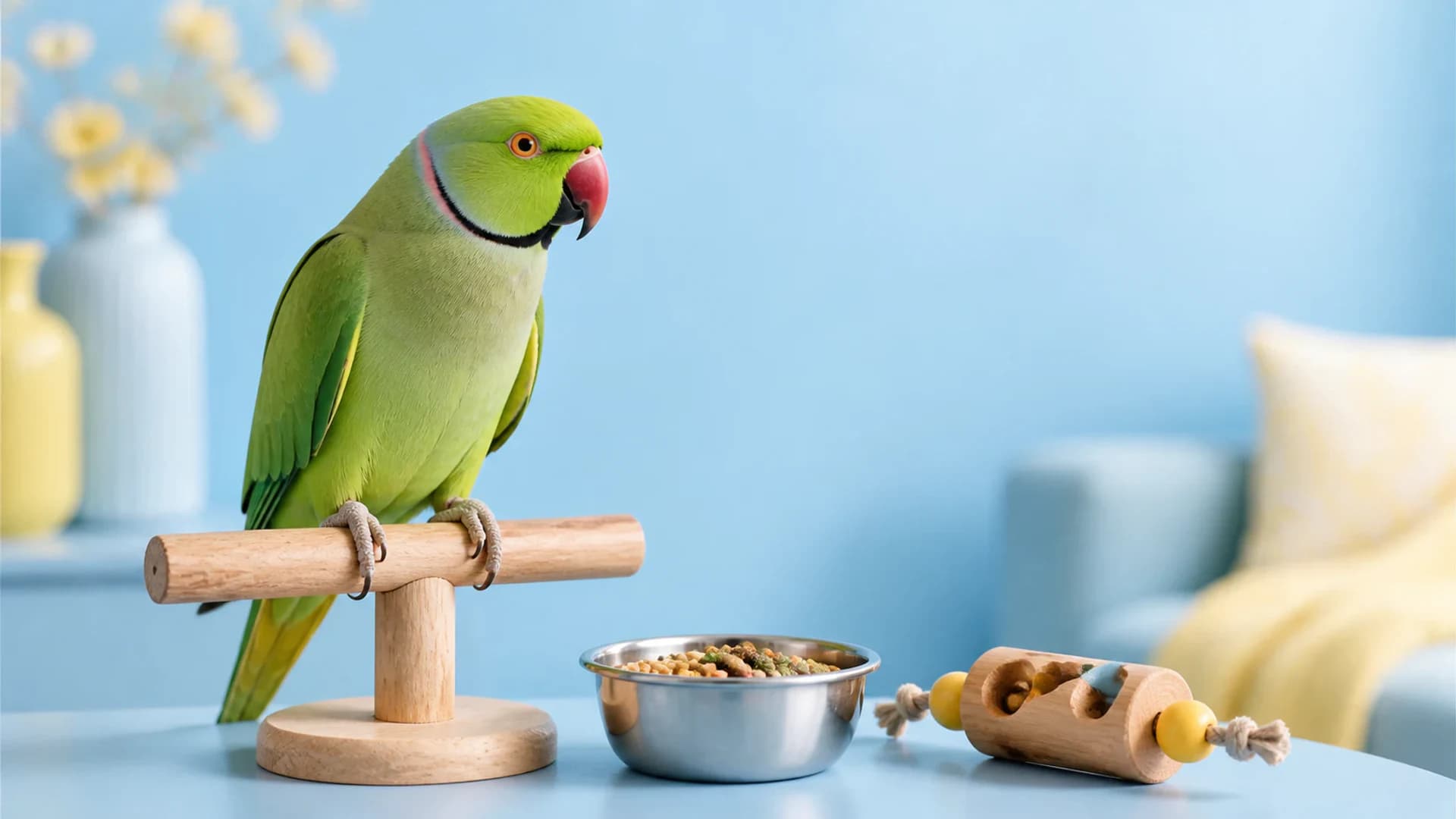
Raising the Indian Ringneck: The Complete Beginner's Guide (2026)
The complete guide to raising an Indian ringneck: the right cage size, the daily food pyramid, toxic foods, illness signs, and teaching it to talk step by step.
Read article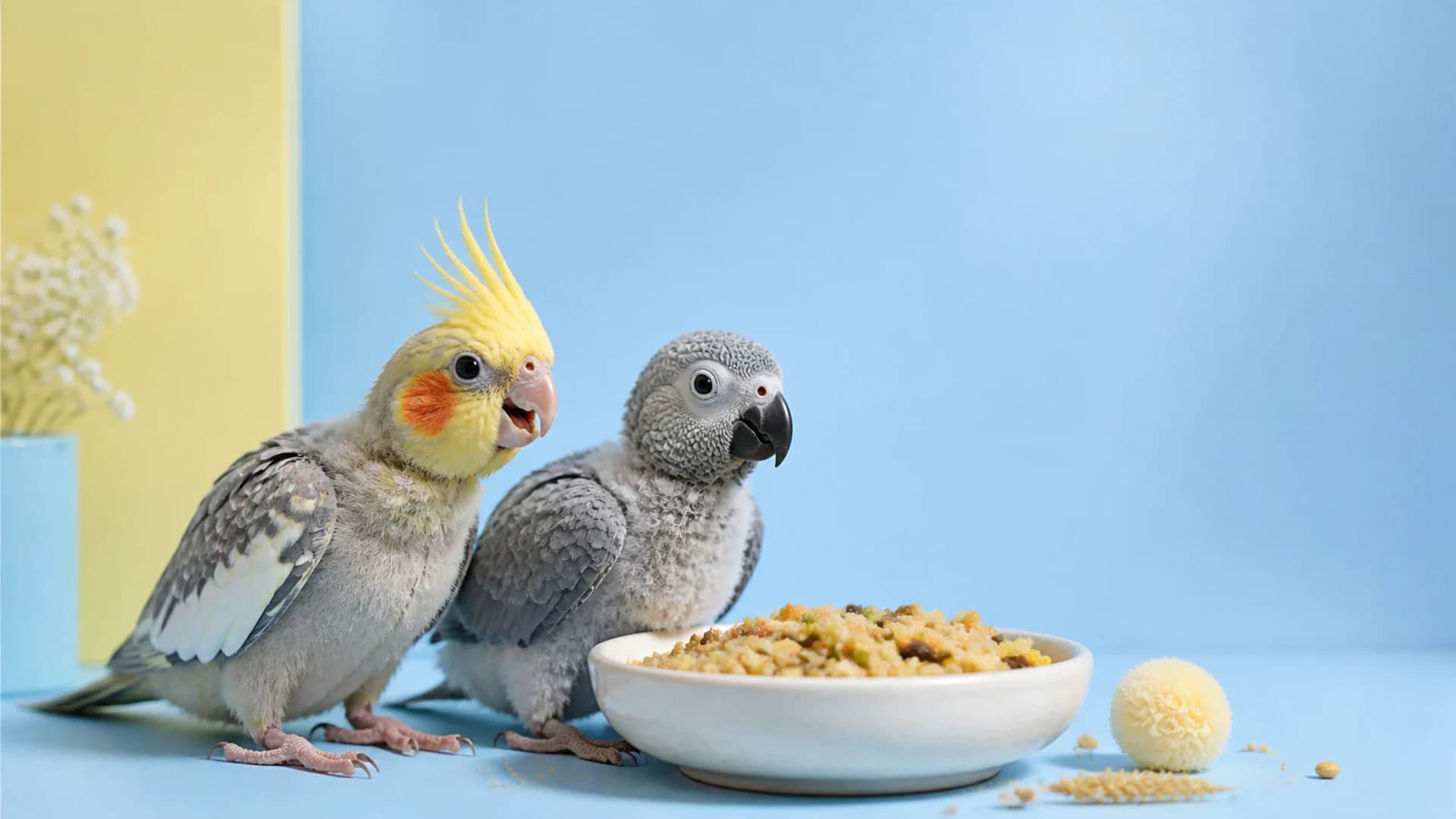
Weaning Bird Chicks: An Age Guide by Species (2026)
A complete step-by-step guide to weaning bird chicks: weaning ages for every species from budgies to African greys, readiness signs, and mistakes that threaten a chick's health. Read before you start.
Read article
African Grey Parrot Training: A Complete Scientific Guide to Taming and Teaching Speech
Learn to train an African grey parrot using modern, science-based methods built on positive reinforcement: taming, teaching speech, recall, and proper nutrition.
Read article