
Best Bird Carriers 2026 – A Complete Guide to Choosing a Safe, Comfortable Bird Carrier
Discover the best bird carriers of 2026 with a complete guide to choosing a safe, comfortable carrier. Learn about the types, features, buying tips, and the best options for travel.
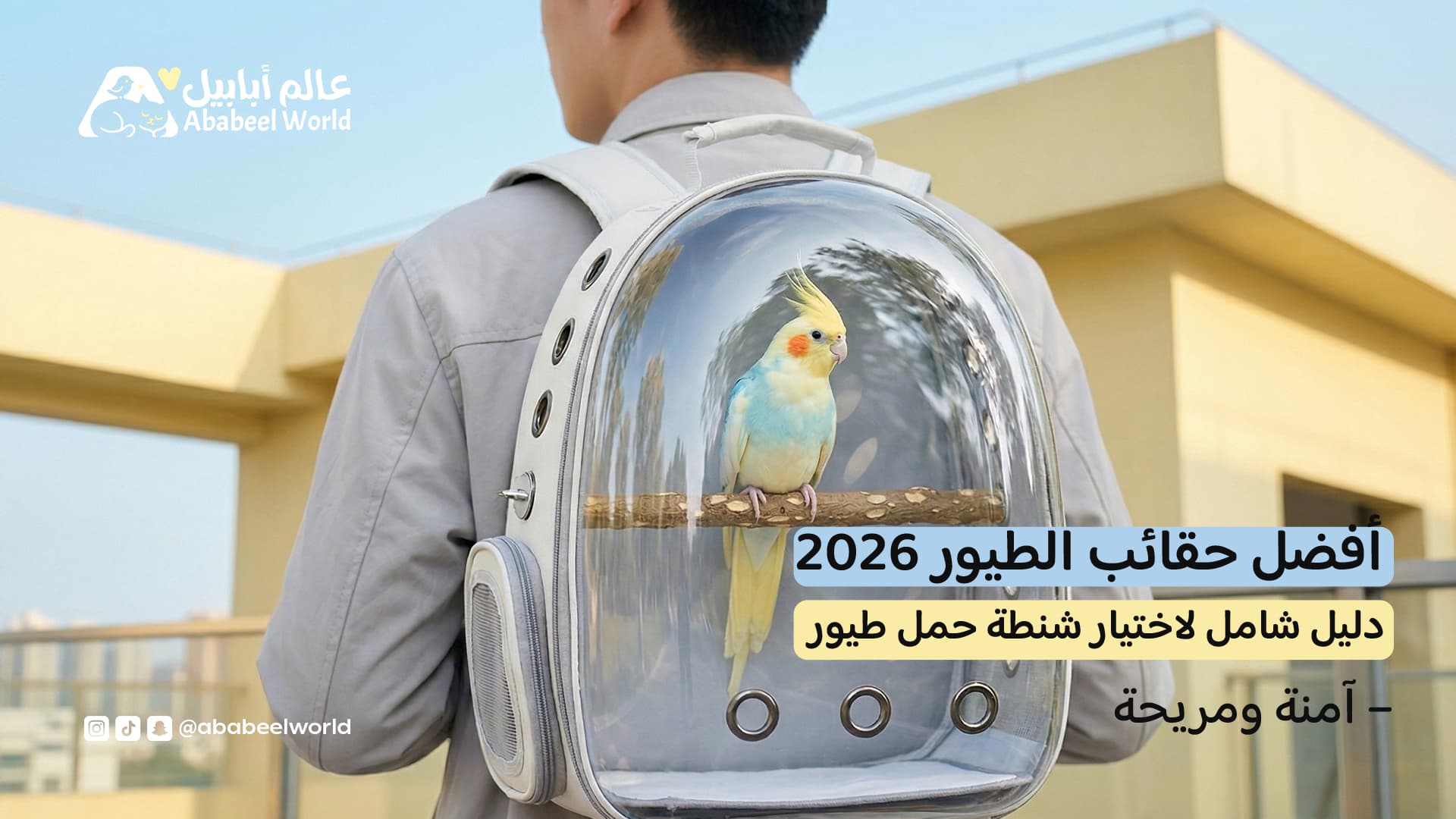
If you're a bird lover, you already know that keeping your birds safe while traveling or moving around is a top priority. Using the right bird carrier keeps them safe and comfortable during daily trips, travel, or vet visits.
Birds are very sensitive to sudden changes in their environment, and relying on the wrong carrier can cause psychological stress or even injury during transport. In this article, we'll cover bird carriers from every angle — their benefits, types, buying tips, and a review of the best options on the market — to help you choose the ideal carrier for your birds.bird carriers
Benefits and Importance of Using a Bird Carrier
Using a bird carrier isn't a luxury — it's a necessity for protecting birds while they're being moved. Some of the main reasons carriers matter:bird carrier
1. Protecting birds from bumps and injuries
- A well-designed bird carrier protects against falls and bumps during transport.
- Small or fragile birds are at risk of being crushed or injured if a safe carrier isn't used.
2. Psychological comfort for birds
- Bird carriers give the bird enough room, which reduces stress during travel.
- A comfortable carrier design reduces the bird's strain and helps preserve its mental well-being.
3. Keeping things clean and safe
- Carriers keep birds from making a mess in the car or at home during transport.
- An easy-to-clean carrier reduces the bird's exposure to germs and bacteria.
4. Ease of travel
- A lightweight, comfortable bird carrier makes it easy to take your birds anywhere.
- Some carriers come with handles and a shoulder strap to make long-distance transport easier.
Using a high-quality carrier keeps birds safe and makes traveling with them easy and secure for both the bird and its owner.
The Main Types of Bird Carriers
Bird carriers come in a range of types to provide comfort and safety during transport, including:bird carriers
1. Backpack carriers
These carriers are designed to give birds a wide view while walking or out on an outing, and they come in several forms:carriers
- Clear/bubble carriers:
- Clear capsules that give the bird a full view and reduce stress while moving around.
- They come with side vents for ventilation and fresh air.
- Suitable for small birds such as budgies and cockatiels.
- Fabric carriers:
- Sturdy and lightweight, usually with a mesh panel for ventilation and storage pockets.
- A practical design that's easy to carry on your back and keeps the bird comfortable.
- An excellent choice for short trips or daily outings.
Using a backpack carrier makes it easy to move birds around for short distances or during outings, while ensuring proper ventilation.backpack carriers
2. Handheld carriers
- Small boxes or bags carried by hand.
- Suitable for short trips, such as a vet visit or moving around inside the home.
- Made of hard materials or sturdy fabric.
- Provide excellent safety while being carried by hand.
- This type suits a single bird or short trips that don't call for a large carrier.
3. Travel cage carriers
- A small cage designed for transport, combining the safety of a traditional cage with the ease of a carrier.
- Provides interior space for the bird to move, with room for a small food and water dish.
- Ideal for long trips or travel that requires the bird to be settled inside a cage.
Choosing a travel cage carrier gives birds complete safety during long trips, while still being easy for the owner to carry.
Features of Each Type of Bird Carrier:
Backpack bird carriers
- A wide view for the bird (usually with a clear front panel)
- Excellent ventilation from every side
- Lightweight and comfortable to carry for long periods
- Keep the bird less stressed while moving
- Suitable for walks and light outings
Handheld carriers
- Easy and quick to use
- Comfortable to carry by hand without much effort
- Made from strong, durable materials
- The right size for quick trips
- Ideal for vet visits
Travel cage carriers
- The highest level of safety for the bird
- More interior space for the bird's comfort
- Easy to add food and water
- Suitable for long trips without worry
- A stable design that reduces excess movement of the bird
How to Choose the Ideal Bird Carrier
When choosing a bird carrier, several factors matter for comfort and safety:
1. By bird size and number of birds
- Small birds need light, comfortable carriers.
- Large birds or multiple birds need sturdy, spacious carriers.
2. By trip length
- Short trips: a lightweight carrier with good ventilation is enough.
- Long trips: a sturdy carrier with compartments for food and water.
3. Materials used
- Hard plastic: maximum protection and easy to clean.
- Fabric: lightweight and easy to carry, but less safe for large birds.
4. Ease of carrying and cleaning
- Make sure it has handles or a shoulder strap for easier carrying.
- An easy-to-clean carrier helps keep birds healthy.
5. Ventilation and safety
- Enough ventilation openings for airflow.
- Secure covers and zippers to prevent the bird from escaping.
Choosing the ideal carrier makes traveling with birds an enjoyable and safe experience for both the bird and its owner.
Important Tips Before Traveling With Birds
- Place the bird carrier in a stable spot inside the car.
- Use a soft cloth or small cushion for comfort.
- Don't expose the bird directly to sunlight.
- Provide enough food and water if the trip is long.
- Clean the carrier after every use to prevent germs from building up.
Cleaning and Maintenance
- Clean the bird carrier daily after every use.
- Use a bird-safe cleaning solution to avoid germs.
- Replace liners or cushions when needed.
- Check the covers and zippers periodically to make sure they're secure.
Common Mistakes When Buying a Bird Carrier
- Choosing a size that's too small, which crushes the bird.
- Using a carrier made from poor-quality or unhealthy materials.
- Weak ventilation or covers and zippers that aren't secure.
- Not accounting for the number of birds in the carrier.
Tips for Choosing the Right Carrier for Each Bird
Choosing the right bird carrier isn't just about the material — it also depends on the bird's size and needs. Here's a practical guide:
- Small birds (budgies, cockatiels, peach-faced lovebirds): a lightweight fabric carrier, plenty of ventilation openings, a soft lining for long trips.
- Medium birds (conures, cockatiels/karawan, Quaker parakeets): a hard plastic or high-quality fabric carrier with adequate ventilation openings.
- Large birds (African greys, macaws, cockatoos): a sturdy plastic carrier or one fitted with an inner cage, with room for food and water.
- More than one bird: a multi-compartment carrier with independent ventilation openings for each bird.
A Quick Comparison Before You Buy
Here's a short list to help you decide:
If you're traveling with birds over a long distance:
Choose a sturdy plastic carrier with good ventilation
If you only have a short visit:
Fabric carriers are the best option
If the bird is sensitive or gets stressed easily:
A sturdy carrier with a comfortable inner lining
If you have more than one bird at once:
A carrier with separate compartments
Frequently Asked Questions
Is a bird carrier safe for long trips?
Yes, as long as it's made of sturdy materials and has proper ventilation openings.
How often should a bird carrier be cleaned?
It's recommended to clean it daily after use and disinfect it weekly.
How do you choose a carrier for large birds like parrots to prevent escape or damage while traveling?
Large parrots such as macaws, cockatoos, and African greys have a strong beak and a high tendency to explore, so a carrier for them needs the following features:
- Materials: choose a bird carrier fitted with metal mesh or reinforced plastic to withstand a strong parrot beak and prevent the carrier from tearing.
- Security locks: make sure it has lockable zippers or external clasps, since intelligent parrots can open ordinary zippers from the inside.
- The perch: the carrier's perch should be fixed with strong screws and adjustable to fit the bird's foot size, preventing it from slipping while moving.
- Ventilation: side and bottom ventilation openings in the carrier ensure airflow without letting the bird stick its beak out or escape.
Does a bird carrier help keep the bird comfortable?
Yes, it provides a safe, comfortable space that reduces stress during transport.
How do you get your bird used to entering its carrier without fear or anxiety?
- Leave the bird carrier open in the bird's play area for several days to break down its fear of new objects.
- Rewards: place enticing food such as nuts next to the carrier, then gradually inside it, to encourage the bird to go in.
- Closing: close the bird carrier for a few seconds and reward the bird immediately, then gradually increase the time so it gets used to being closed without fear or anxiety.
- Practice runs at home: start by carrying the bird carrier and walking around inside the house before taking it out to the street or the car, so the bird gets used to the movement and vibration.
Conclusion
Choosing the right bird carrier protects your birds and gives them comfort and safety while on the move.bird carriers
For short trips: a light fabric carrier is enough.
For long trips or large birds: a sturdy plastic carrier, or one fitted with an inner cage, is the better choice.
Investing in a high-quality bird carrier keeps your birds safe and makes for a secure, comfortable travel experience.
✨ Get the best bird carriers now from the Ababeel World store, with a quality guarantee and easy shipping across Saudi Arabia.Ababeel World
You may also enjoy
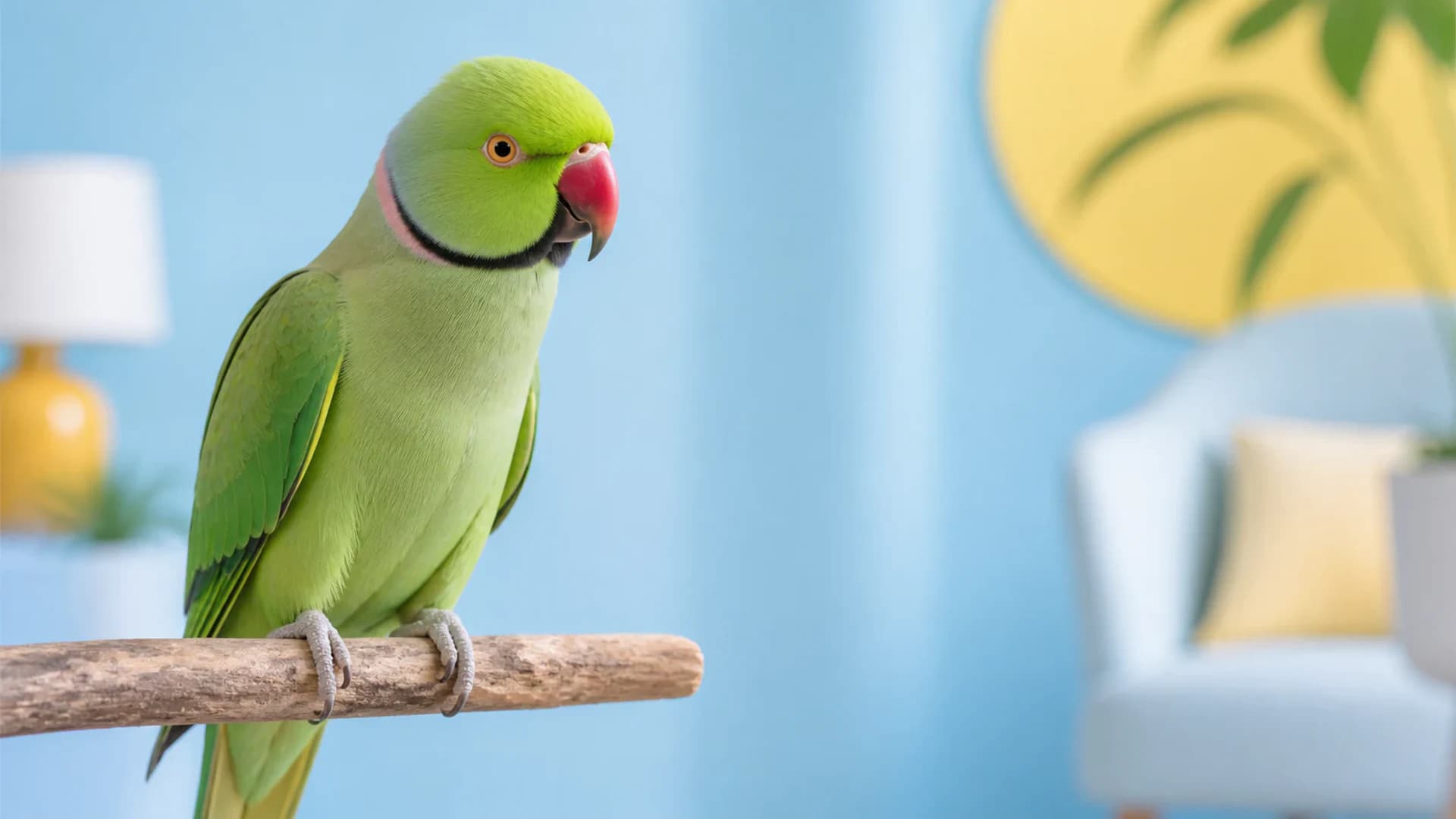
Parrot Body Language: How to Understand What Your Bird Is Telling You (2026)
Learn to read your parrot's body language: eye pinning, feather fluffing, tail movements, and what biting really means — with a practical summary that helps you understand your bird in the moment and avoid getting bitten.
Read article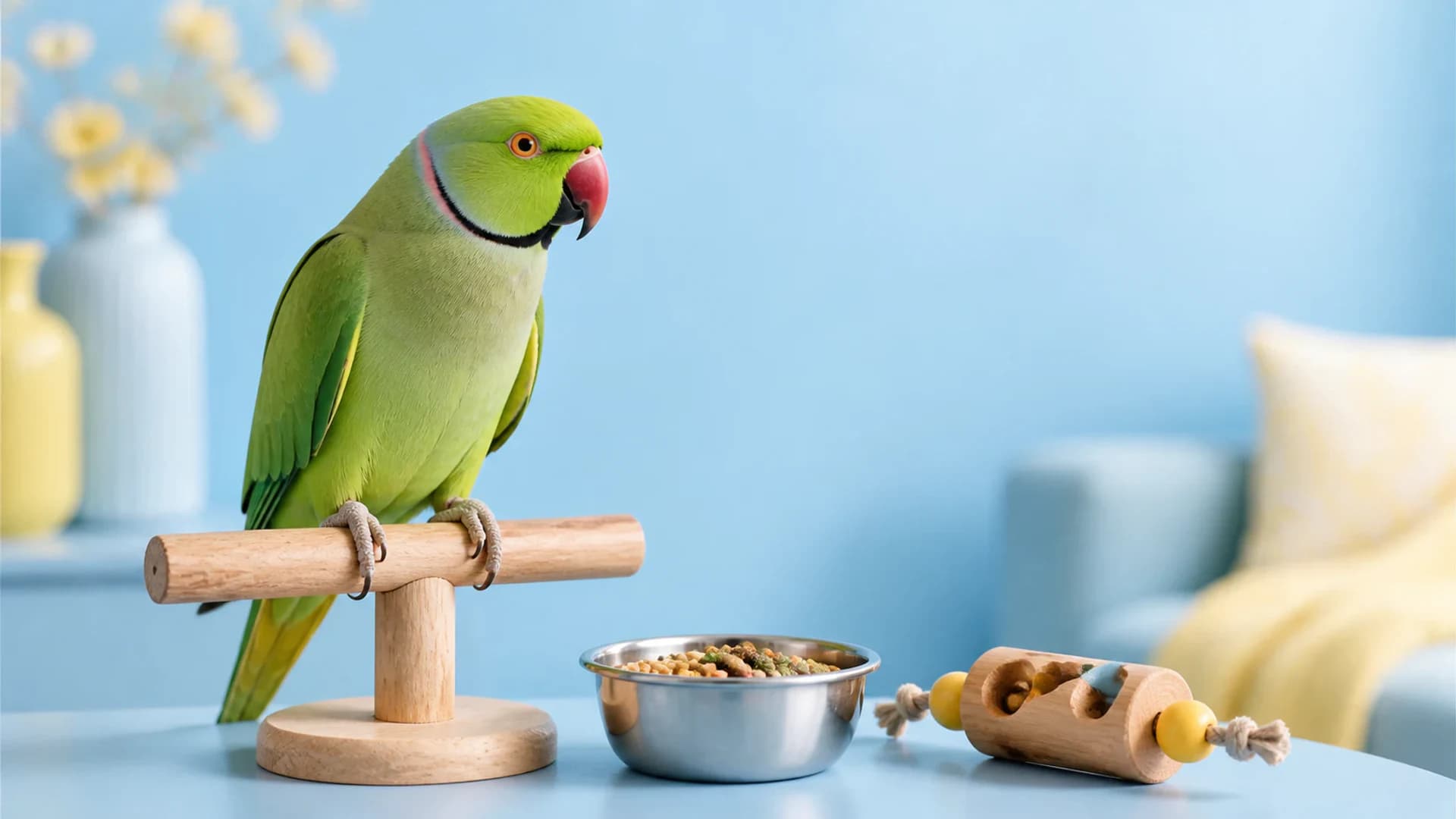
Raising the Indian Ringneck: The Complete Beginner's Guide (2026)
The complete guide to raising an Indian ringneck: the right cage size, the daily food pyramid, toxic foods, illness signs, and teaching it to talk step by step.
Read article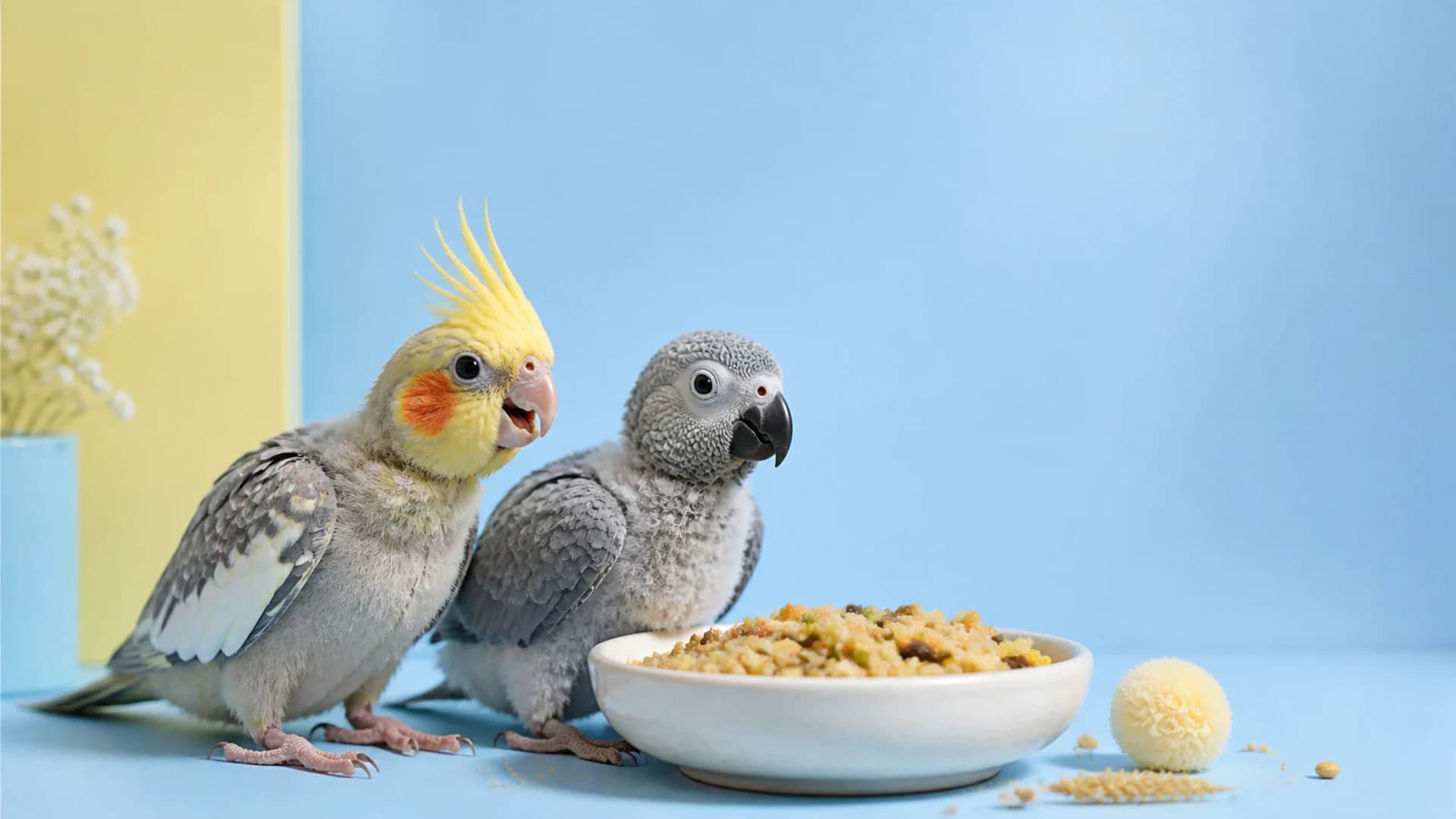
Weaning Bird Chicks: An Age Guide by Species (2026)
A complete step-by-step guide to weaning bird chicks: weaning ages for every species from budgies to African greys, readiness signs, and mistakes that threaten a chick's health. Read before you start.
Read article