
Bird and Parrot Toys: A Comprehensive Guide to Stimulating Daily Intelligence and Activity
A comprehensive guide to choosing and buying the right bird toys for every species. Learn about prices and the best toys for parrots and finches to encourage daily activity.
What Are Bird Toys?
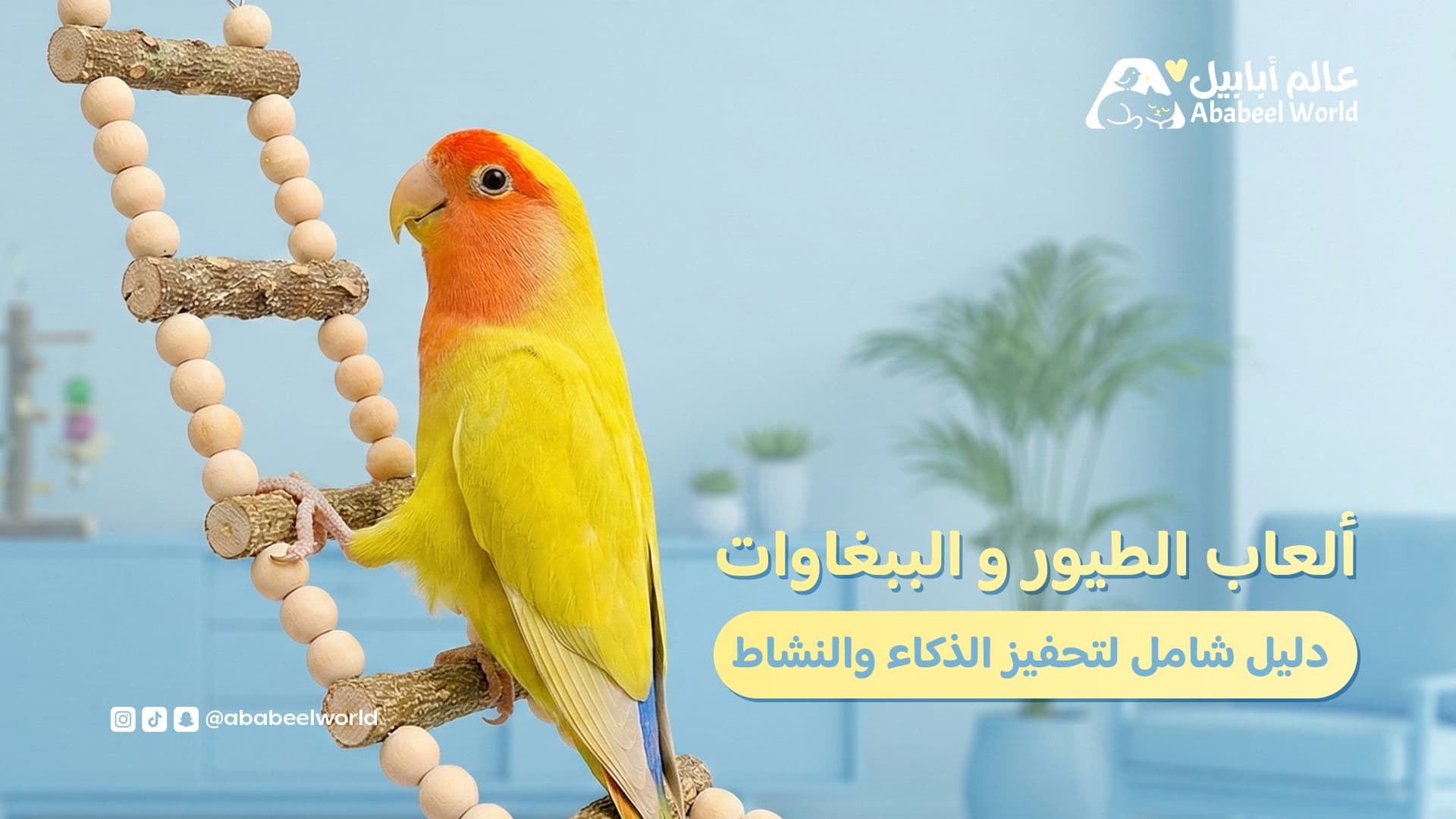
Bird toys are stimulating tools designed to mimic the natural activities birds carry out in the wild, such as foraging, chewing, climbing, and exploring. These toys help reduce boredom, prevent negative behaviors, and stimulate the bird's intelligence and physical activity inside the cage.toys
Why Are Bird Toys Essential, Not a Luxury?
In nature, a bird spends 6 to 8 hours a day foraging for food and interacting with its environment.
Inside a cage?
Without stimulation, the bird starts to show:
- Excessive screaming
- Feather picking
- Biting
- Depression
- Loss of appetite
That's why smart bird toys are an essential part of daily care.
From Our Experience Keeping Parrots
Through years of hands-on experience keeping parrots, we've noticed that birds whose toys are rotated weekly show a clear drop in aggressive behavior within the first month.
The single most effective toy for reducing screaming was:
Foraging toys
Types of Bird Toys in Detail
1️⃣ Foraging Toys (the Most Important)
Make the bird think in order to reach its food.
Benefits:
- Strong mental stimulation
- Reduced boredom
- Keeps the bird occupied longer
Example:
Balls with small openings for placing seeds.
2️⃣ Chew Toys
Very suitable for parrots with a strong beak.very suitable for parrots
The best materials:
- Natural wood
- Cotton rope
- Untreated cardboard
Avoid:
- Poor-quality plastic
- Industrial paint/coating
3️⃣ Climbing and Movement Toys
Such as:
- Swings
- Ladders
- Ropes
Important for preventing obesity.
Comparing the Best Types of Bird and Parrot Toys
Choosing the right toy for your bird is essential for its mental and physical health.
Below is a detailed comparison of the most popular types of bird and parrot toys:
1) Foraging toys
- Main benefit: stimulating intelligence and active thinking
- Suitable for: all types of birds and parrots
- Stimulation level: very high
- Why do they matter?
Because they mimic the bird's natural environment, where it searches for its own food, which reduces boredom and negative behaviors such as feather plucking.
Suitable for anyone looking for the best intelligence toys for birds.
2) Chew toys for parrots
- Main benefit: releasing energy and protecting the beak
- Suitable for: parrots of every size
- Stimulation level: high
- Why are they necessary?
A parrot naturally tends to chew, and without suitable toys, it may end up chewing on the cage or the furniture instead.
Suitable for anyone looking for safe, sturdy parrot toys.
3) Movement and climbing toys
- Main benefit: physical exercise and improved fitness
- Suitable for: finches, cockatiels, ornamental birds
- Stimulation level: medium
- Their importance:
They help strengthen muscles and improve daily activity inside the cage.
Suitable for anyone looking for movement toys for small birds.
4) Sound toys
- Main benefit: auditory stimulation and environmental interaction
- Suitable for: only certain species
- Stimulation level: low
- When to use them?
For social birds that respond to sounds and auditory interaction.
Considered a bonus option, not an essential one.
The Best Bird Toys by Species
For Budgies and Finches
- A light swing
- A small rope toy
- A simple ball
For Cockatiels
- A climbing rope
- Wooden blocks
- Hidden-food toys
For African Greys
- Complex intelligence toys
- Reward boxes
- Lock-puzzle toys
How Many Toys Should Be Inside the Cage?
- Small birds: 3–4
- Medium birds: 4–6
- Large birds: 5–8
Don't fill the cage completely.
Bird Toy Prices
These vary depending on:
- Size
- Material
- Level of complexity
Tip:
Buy a medium-quality toy instead of a cheap one that wears out quickly.
When Should You Replace Bird Toys?
- Every 7–14 days
- When damage appears
- If the bird ignores it
Can You Make Bird Toys at Home?
Yes, but on certain conditions:
✔ Natural materials
✔ No industrial glue
✔ No ink
✔ No pins
Mistakes That Keep a Bird From Engaging With Toys
- Introducing a large toy all at once
- Adding too many toys
- Never changing their placement
- Not cleaning them
20 Frequently Asked Questions About Bird Toys
1. What are the best smart bird toys?
Foraging toys are the best.
2. Do toys reduce feather picking?
Yes, if the cause is boredom.
3. Are toys needed every day?
Yes.
4. How many toys should I put in the cage?
3–6, depending on size.
5. Can I leave the bird alone with the toy?
Yes, if it's safe.
6. Are children's toys suitable?
No.
7. Why is the bird afraid of a new toy?
Fear of change.
8. Do toys reduce screaming?
Yes, noticeably.
9. What are the best toys for large parrots?
Sturdy chew toys and puzzles.
10. What are the best toys for finches?
Swings and light balls.
11. Are metal toys dangerous?
Yes, if they can rust.
12. How often should I clean the toys?
Once a week.
13. Can cardboard be used?
Yes, if it's unprinted.
14. Do toys cause stress?
Quite the opposite.
15. Do large birds need sturdier toys?
Yes.
16. Should toys be rotated?
Yes, every two weeks.
17. Do toys help prevent obesity?
They help a great deal.
18. Do parrot toys differ from finch toys?
Yes, based on strength and size.
19. Are toys important for young chicks?
Gradually, yes.
20. What's the best toy for reducing aggression?
Chew toys.
Final Conclusion
At Ababeel World, bird toys aren't just a form of entertainment — they're an essential element for maintaining a bird's mental and physical health. Whether you're looking for parrot toys or toys for finches, choosing the right type and rotating them regularly makes a big difference in a bird's behavior.at Ababeel Worldparrot toys
You may also enjoy
Parrot Body Language: How to Understand What Your Bird Is Telling You (2026)
Learn to read your parrot's body language: eye pinning, feather fluffing, tail movements, and what biting really means — with a practical summary that helps you understand your bird in the moment and avoid getting bitten.
Read article
Raising the Indian Ringneck: The Complete Beginner's Guide (2026)
The complete guide to raising an Indian ringneck: the right cage size, the daily food pyramid, toxic foods, illness signs, and teaching it to talk step by step.
Read article
Weaning Bird Chicks: An Age Guide by Species (2026)
A complete step-by-step guide to weaning bird chicks: weaning ages for every species from budgies to African greys, readiness signs, and mistakes that threaten a chick's health. Read before you start.
Read article