
Signs of Illness in Birds You Shouldn't Ignore
Learn about the most important signs of illness in birds, such as lethargy, feather fluffing, loss of appetite, changes in droppings, and difficulty breathing, and when to see a veterinarian immediately.
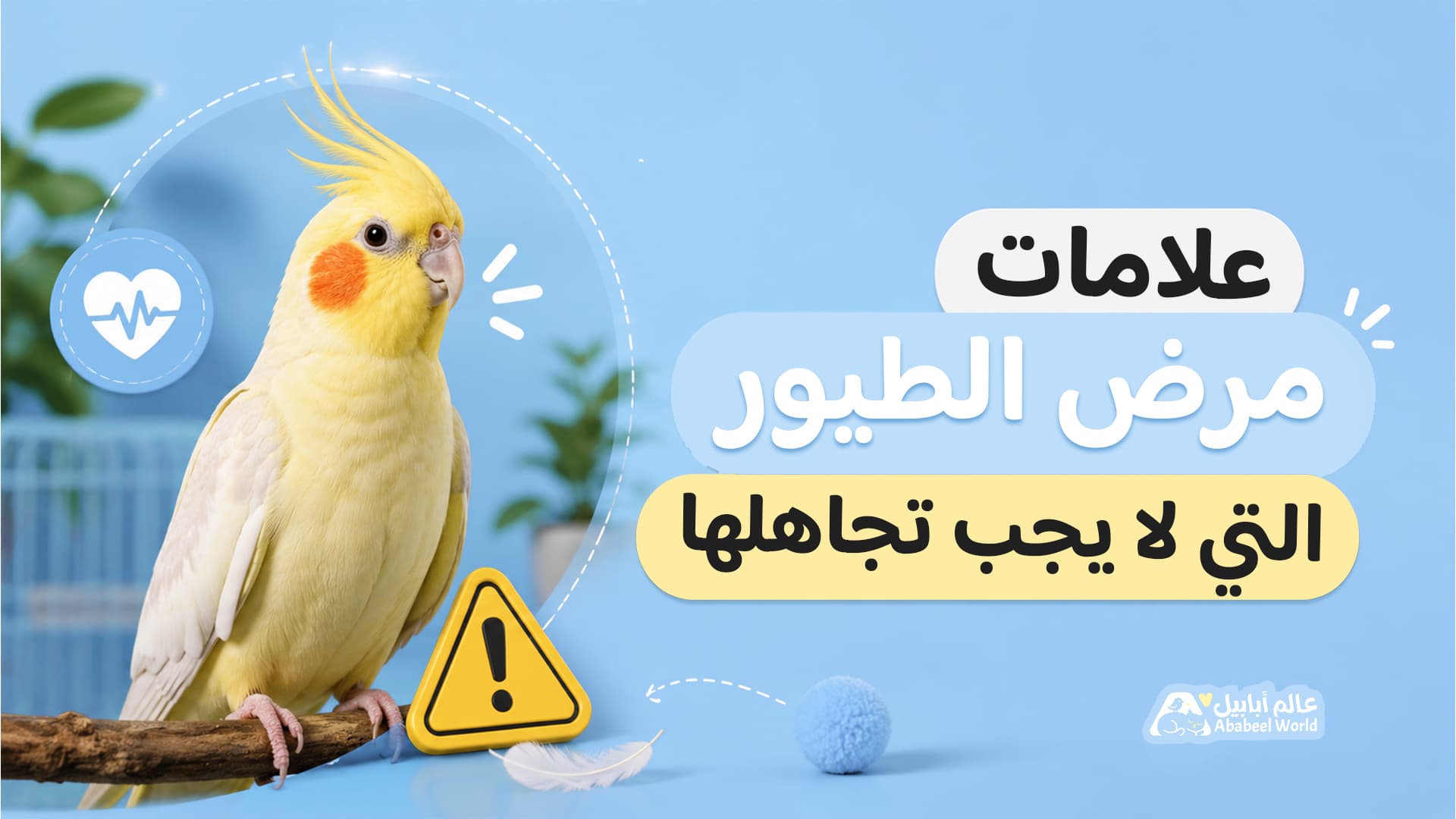
Ornamental birds often hide illness for a long time, and this is part of their nature from life in the wild.
That's why many owners notice a problem late, after the bird's condition has already progressed significantly.
In this guide from Ababeel World, we explain the most important signs of illness in birds, and when a situation should be treated as an emergency that needs a quick visit to the vet.
Why Do Birds Hide Illness?
In nature, a weak bird is an easy target for predators, so birds instinctively hide fatigue and illness for as long as possible.
That's why:
If symptoms become clearly visible, the bird usually really does need prompt attention.
Lethargy and Reduced Activity
Some of the first signs to watch for:
- Reduced activity
- Excessive sleeping
- Lack of interaction
- Standing still for long periods without moving
A healthy bird is usually curious and active throughout the day.
Feathers Fluffed for Long Periods
A bird sometimes fluffs its feathers to rest or when sleeping, and that's normal.
But if it stays fluffed for long periods during the day, the cause could be:
- Cold
- Fatigue
- An internal illness
- Breathing problems
- General weakness
Sitting on the Cage Floor
This is one of the most serious signs in birds.
A normal bird stands on its perch most of the time, so sitting on the cage floor can point to:
- Severe weakness
- Fatigue
- Dizziness
- Advanced health problems
Loss of Appetite
If a bird stops eating for a long period, don't treat it as a minor issue.
Birds have a very fast metabolism, and loss of appetite can lead to a rapid decline in condition.
Especially if it comes together with:
- Lethargy
- Weight loss
- A change in droppings
Changes in Droppings
A bird's droppings are a very important indicator of its health.
Concerning signs include:
- Diarrhea
- A change in color to dark green or black
- The presence of blood
- A noticeable increase in liquid content
Difficulty Breathing
Any breathing problem in a bird should be taken seriously.
For example:
- Open-mouth breathing
- A wheezing sound
- Forceful tail movement while breathing
- Fast or labored breathing
These signs can point to respiratory problems or serious infections.
Feather Plucking
Feather plucking can be caused by:
- Stress
- Boredom
- Nutritional deficiency
- Skin problems
- Internal illness
That's why it's important to find the real cause and not ignore the behavior.
Loss of Balance or Trembling
If you notice:
- Trembling
- Loss of balance
- Repeated falling
- Weakness in the legs
There could be a neurological problem or a severe deficiency in certain nutrients.
When Is a Case an Emergency?
See a veterinarian immediately if you notice:
- Stopped eating
- Difficulty breathing
- Sitting on the cage floor
- Vomiting
- Bleeding
- Severe lethargy
- Sudden loss of balance
Delaying care can sometimes be very dangerous for birds.
How Do You Keep Your Bird Healthy?
For prevention:
- Provide a balanced diet
- Keep the cage clean
- Change the water daily
- Provide toys and stimulation
- Monitor daily behavior
- Don't expose the bird to drafts or high heat
Conclusion
Monitoring your bird's behavior daily helps you catch any problem early, before it develops further.
Any clear change in activity, eating, breathing, or feathers deserves attention and follow-up.
At Ababeel World, we're committed to offering products and care that help owners keep their birds healthy and safe every day.
You may also enjoy
Parrot Body Language: How to Understand What Your Bird Is Telling You (2026)
Learn to read your parrot's body language: eye pinning, feather fluffing, tail movements, and what biting really means — with a practical summary that helps you understand your bird in the moment and avoid getting bitten.
Read article
Raising the Indian Ringneck: The Complete Beginner's Guide (2026)
The complete guide to raising an Indian ringneck: the right cage size, the daily food pyramid, toxic foods, illness signs, and teaching it to talk step by step.
Read article
Weaning Bird Chicks: An Age Guide by Species (2026)
A complete step-by-step guide to weaning bird chicks: weaning ages for every species from budgies to African greys, readiness signs, and mistakes that threaten a chick's health. Read before you start.
Read article