
Lory and Lorikeet Care Guide: Nutrition, Cage, Illnesses, and Environmental Enrichment
A guide to caring for lories and lorikeets: nutrition, cage, environmental enrichment, and common illnesses.
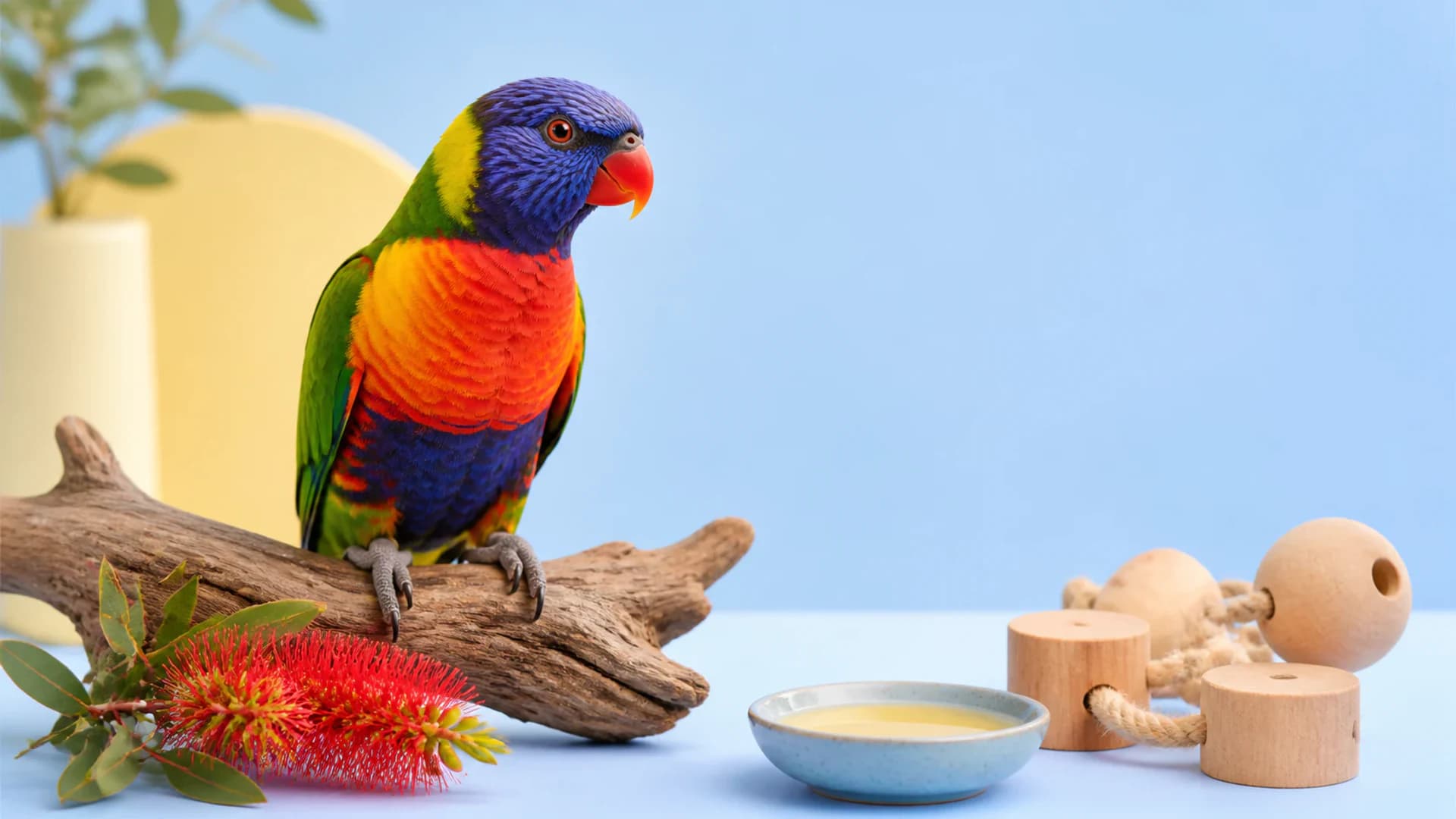
Lories and lorikeets are among the most distinctive parrot groups within the parrot order — brightly colored, socially active birds with dietary needs that differ from many seed-eating parrots. Successfully keeping them at home or in a large aviary depends on understanding their biology, their feeding requirements, and the environmental enrichment needed to keep them physically and psychologically healthy.
This guide offers a comprehensive look at lories and lorikeets, from scientific classification to nutrition, common illnesses, the right cage, and safe toys.
What Are Lories and Lorikeets?
Lories and lorikeets belong to the tribe Loriini within the parrot family. This group includes numerous species of parrots that share clear traits, most notably a heavy reliance on nectar, pollen, and soft fruit in their natural diet.
Some of the best-known genera and species in this group include:
- Trichoglossus — such as the rainbow lorikeet.
- Eos — such as the red lory.
- Lorius — such as the black-capped lory.
- Vini — such as the ultramarine lory.
- Charmosyna — such as the red-throated lorikeet.
Recent molecular genetics studies indicate that the classification of these birds has undergone reorganization, with the tribe Loriini now including around 61 species across 19 genera.
Why Is Lorikeet Nutrition Different From Other Parrots?
Unlike seed-eating parrots, lories and lorikeets have special anatomical and physiological adaptations suited to a liquid or semi-liquid diet. A lorikeet's tongue has a brush-like papillated tip that helps it collect nectar and pollen from flowers.
The digestive system of these birds is also different, with a less developed gizzard compared to parrots that grind seeds. For this reason, feeding these birds seeds is unsuitable and can lead to serious problems such as gastric or intestinal impaction and gastritis, which can be fatal within 24 to 72 hours.
The Natural Diet of Lories and Lorikeets
In the wild, the diet of these birds relies on three main sources:
1. Nectar
Nectar is an important source of quick energy and a fundamental part of the natural lory and lorikeet diet.
2. Pollen
Pollen supplies amino acids, vitamins — especially the B-vitamin group — and minerals.
3. Fruit and soft plant matter
These birds eat soft fruit and some plant secretions such as lerp, along with other plant resources suited to their digestive system.
The Right Diet for Lorikeets in Captivity
When keeping a lory or lorikeet at home or in a cage, its diet should stay close to its natural needs. The recommended diet is based on:
The staple diet — 60–70%
The staple diet should be a commercial nectar-substitute formula made specifically for lories and lorikeets, low in iron, and balanced in amino acids, vitamins, and minerals. When relied on correctly, these formulas help reduce the risk of malnutrition.
Fresh fruit — 10–20%
Suitable fruits that can be offered include:
- Mango
- Papaya
- Fig
- Pear
- Other suitable soft fruit varieties
Foods to avoid
There are foods that must be avoided entirely because they can cause health problems or poisoning, including:
- Seeds
- Avocado, due to the compound persin
- Chocolate and caffeine
- Raw honey, due to the risk of botulism
Social and Environmental Behavior
Lories and lorikeets are active and social, moving around a great deal in search of food. Some species show nomadic behavior depending on the availability of flowers and nectar. In the wild, they play an important role as pollinators, since pollen sticks to the feathers on their forehead and throat and is then carried to the next flower.
A study on Eucalyptus leucoxylon flowers also found that the flower's shape appears adapted to facilitate pollination by lorikeet tongues.
Breeding in Lories and Lorikeets
These birds are usually monogamous. The female typically lays two eggs, and incubation lasts roughly 22 to 25 days. During this period, the pair needs a quiet environment, a stable diet, and a suitable home to reduce stress.
Common Illnesses in Lories and Lorikeets
Lories and lorikeets need careful health monitoring, since some conditions can progress quickly. Some of the most significant conditions noted in veterinary care include:
1. Iron storage disease
Results from iron buildup in the liver and tissues due to excess dietary iron and possible genetic factors. Signs include:
- Lethargy
- Weight loss
- Abdominal fluid buildup (ascites)
- Enlarged liver
Prevention relies on a low-iron diet, avoiding iron-rich foods, with vitamin C support when needed under veterinary guidance.
2. Clostridial enterotoxemia
Linked to the bacterium Clostridium perfringens, and usually caused by fermentation of wet food or inconsistent hygiene. Signs include:
- Acute lethargy
- Bloody diarrhea
- Sudden death
Prevention relies on strict hygiene and changing wet food every 2–3 hours.
3. Lorikeet paralysis syndrome
The exact cause isn't fully known, but it's associated with cadmium exposure. Signs include:
- Inability to fly
- Flaccid paralysis
- Loss of voice
The condition is managed with vitamin E and selenium support, and chelation therapy may be used in cases of heavy-metal exposure.
4. Psittacine beak and feather disease (PBFD)
Caused by a circovirus. Signs include:
- Feather loss
- Deformities of the beak and feathers
- Immune suppression
Prevention relies on testing and exclusion, and PCR testing for new groups of birds. No curative treatment is noted.
5. Ventricular (gizzard) impaction
Linked to feeding on seeds or other indigestible material. Signs include:
- Vomiting
- Lethargy
- Abdominal distension
- Death
The main prevention is proper feeding and avoiding seeds entirely.
Environmental Enrichment: An Essential Part of Lorikeet Health
Environmental enrichment is necessary to prevent boredom and behavioral problems such as feather plucking and stereotypic behaviors. Studies on birds of the genus Trichoglossus have shown that environmental enrichment reduces stereotypic behaviors and increases natural activity.
Dietary enrichment
Foraging behavior should be encouraged through:
- Foraging toys.
- Hiding food inside safe materials.
- Hanging or distributing fruit in a way that encourages movement.
- Using safe, BPA-free materials.
Physical enrichment
Suitable tools include:
- Chewable toys.
- Interactive toys.
- Ropes and swings.
- Perches of varying shapes and diameters.
Sensory enrichment
The sensory environment can be supported through:
- Visual elements such as safe branches and natural colors.
- Calm natural sounds.
- Bathing or misting, since lorikeets are water-loving birds.
Social enrichment
It's best for these birds to live in a suitable social setting. Where possible, they can be kept in a large cage or aviary, with attention paid to compatibility between birds and avoiding aggression or stress.
Specifications for the Ideal Cage and Housing
Good housing is the cornerstone of successful care. The cage should be spacious, safe, easy to clean, and designed to suit the bird's activity level.
Suggested minimum size
The minimum size for a single bird is approximately:
150 cm length × 100 cm width × 150 cm height
A larger space is preferable, especially when keeping more than one bird.
Suitable materials
The best materials are:
- Stainless steel.
- Powder-coated metal, provided it is safe and non-toxic.
Materials to avoid
Galvanized wire should be avoided due to the risk of zinc and heavy-metal poisoning, as should corroded or sharp materials.
Interior setup
The cage should include:
- Natural perches of varying thickness.
- Food and water bowls that are easy to clean.
- Safe toys.
- Space for movement and climbing.
- Rope or wood perches, checked regularly for wear.
Toy Safety Inside a Lorikeet Cage
Toys should be inspected regularly, making sure there are no small parts that could be swallowed, sharp edges, or materials that could cause poisoning. It's best to rotate toys every 7–10 days to refresh the environment and prevent boredom.
Conservation Status and Threats
Not all lory and lorikeet species face the same level of risk. Some species, such as the rainbow lorikeet, are widespread, while others are severely threatened or possibly extinct.
Threatened species include:
- Charmosyna diadema: critically endangered and possibly extinct.
- Charmosyna amabilis: critically endangered, with very low numbers.
- Vini ultramarina: threatened by habitat loss and invasive species.
Main threats
The main threats include:
- Habitat loss from deforestation.
- Invasive species such as rats and cats.
- Illegal trade.
- Weak genetic diversity in small populations.
Conservation efforts
Conservation efforts include captive breeding programs, reintroduction, habitat protection, invasive species control, and monitoring by international bodies such as BirdLife International and the IUCN.
Conclusion
Keeping a lory or lorikeet requires a precise understanding of this bird's nature. It isn't like other parrots that rely on seeds — it needs a specialized diet built around nectar substitutes and suitable fruit, with seeds and dangerous foods kept off the menu entirely.
Success in caring for a lorikeet rests on four core elements: proper nutrition, a safe cage, ongoing environmental enrichment, and careful health monitoring. When these conditions are met, lories and lorikeets become one of the most engaging and beautiful birds to keep at home, while still honoring their natural, instinctive needs.
You may also enjoy
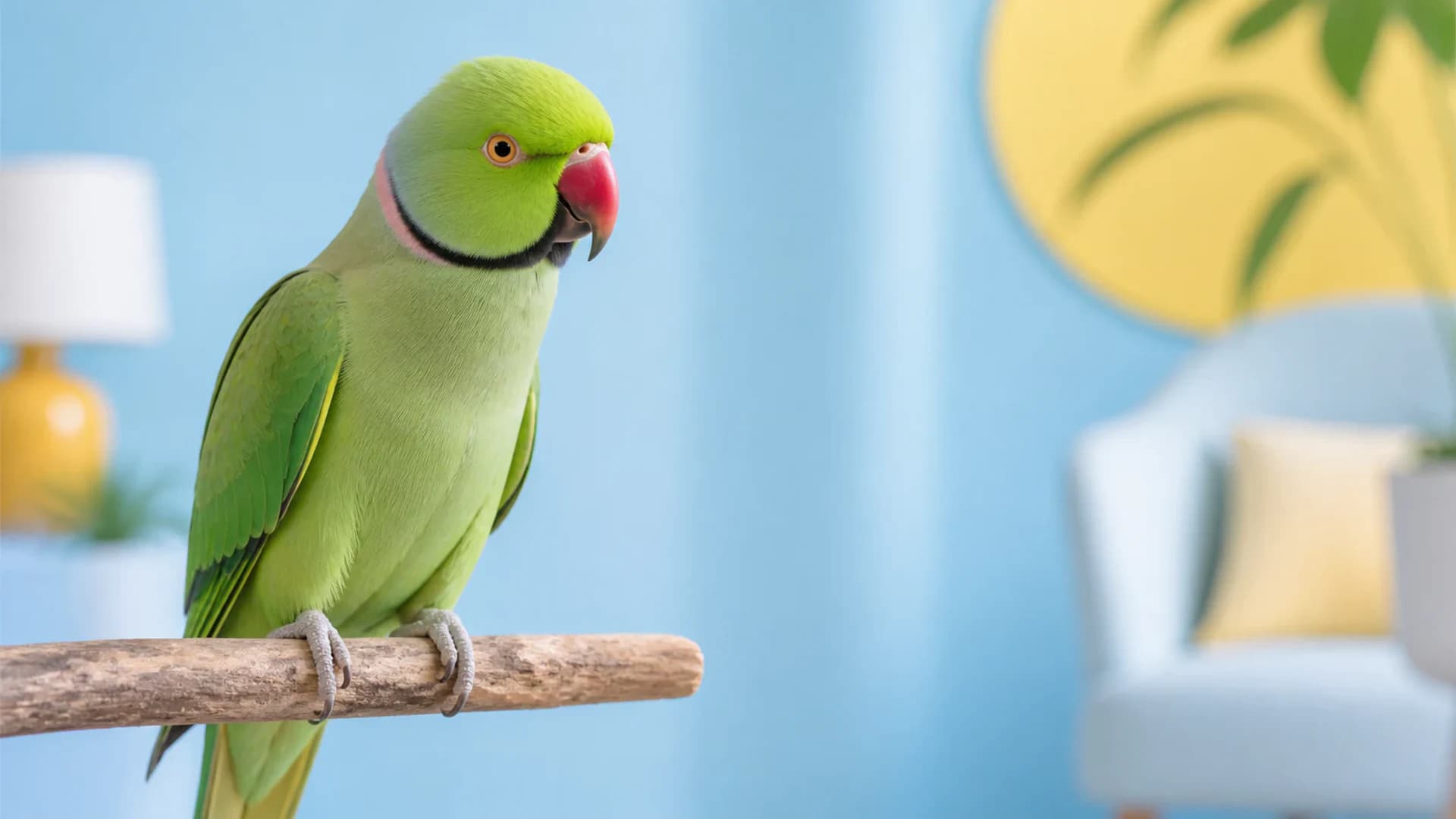
Parrot Body Language: How to Understand What Your Bird Is Telling You (2026)
Learn to read your parrot's body language: eye pinning, feather fluffing, tail movements, and what biting really means — with a practical summary that helps you understand your bird in the moment and avoid getting bitten.
Read article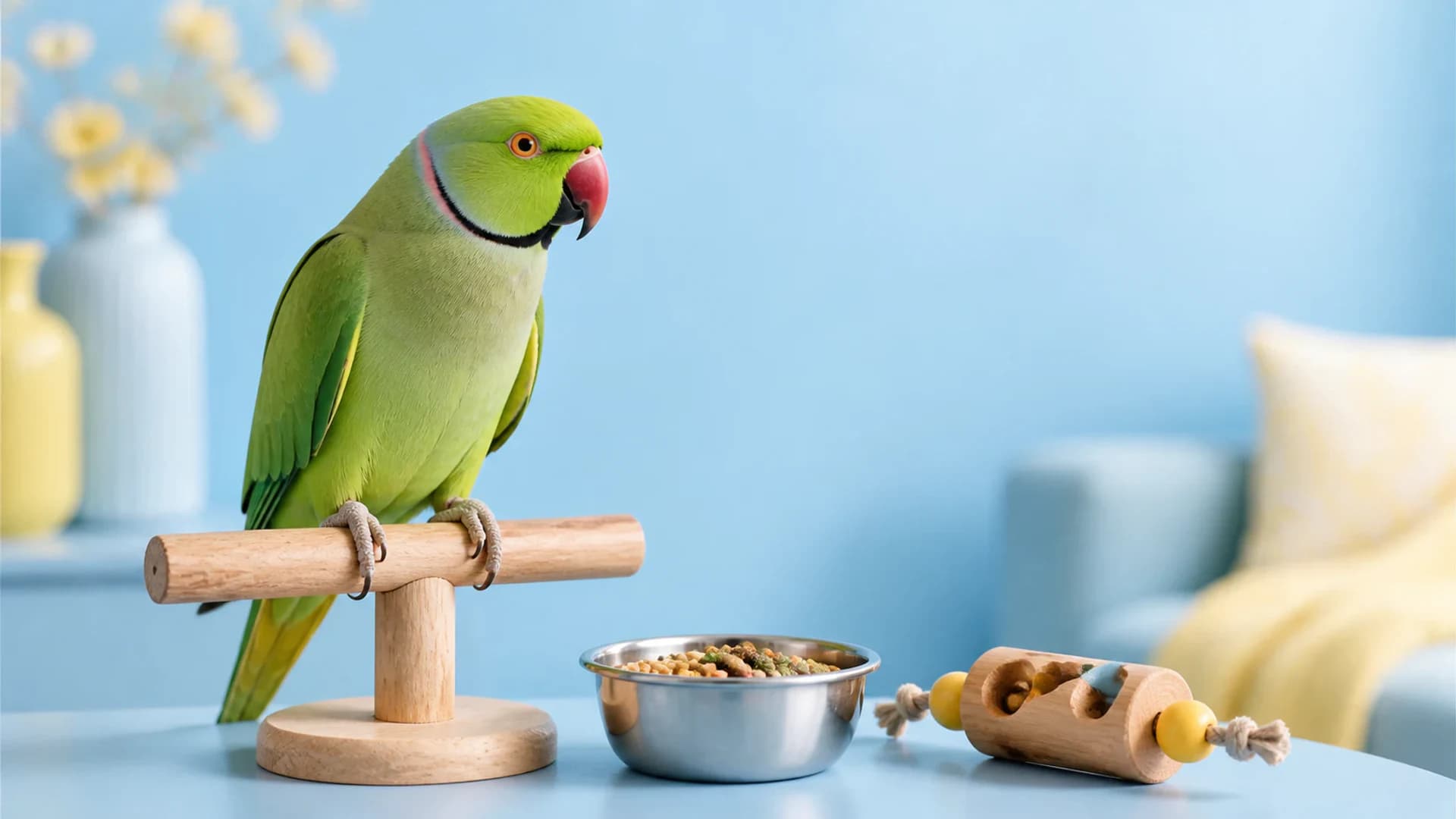
Raising the Indian Ringneck: The Complete Beginner's Guide (2026)
The complete guide to raising an Indian ringneck: the right cage size, the daily food pyramid, toxic foods, illness signs, and teaching it to talk step by step.
Read article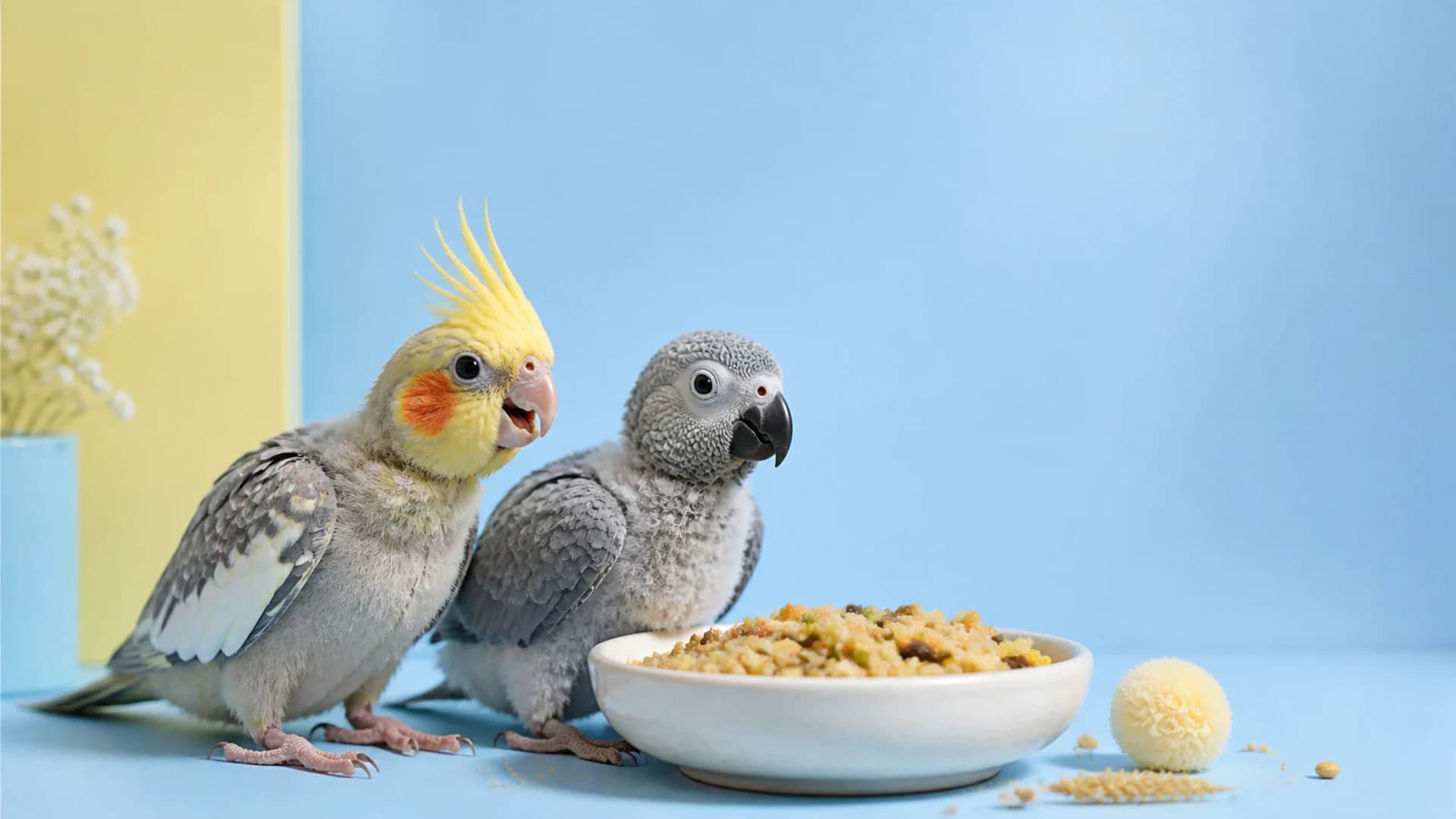
Weaning Bird Chicks: An Age Guide by Species (2026)
A complete step-by-step guide to weaning bird chicks: weaning ages for every species from budgies to African greys, readiness signs, and mistakes that threaten a chick's health. Read before you start.
Read article